
Length
17 days
Departs
Vlissingen (NL)
Price
On quote
Sails
mid-May – Sep
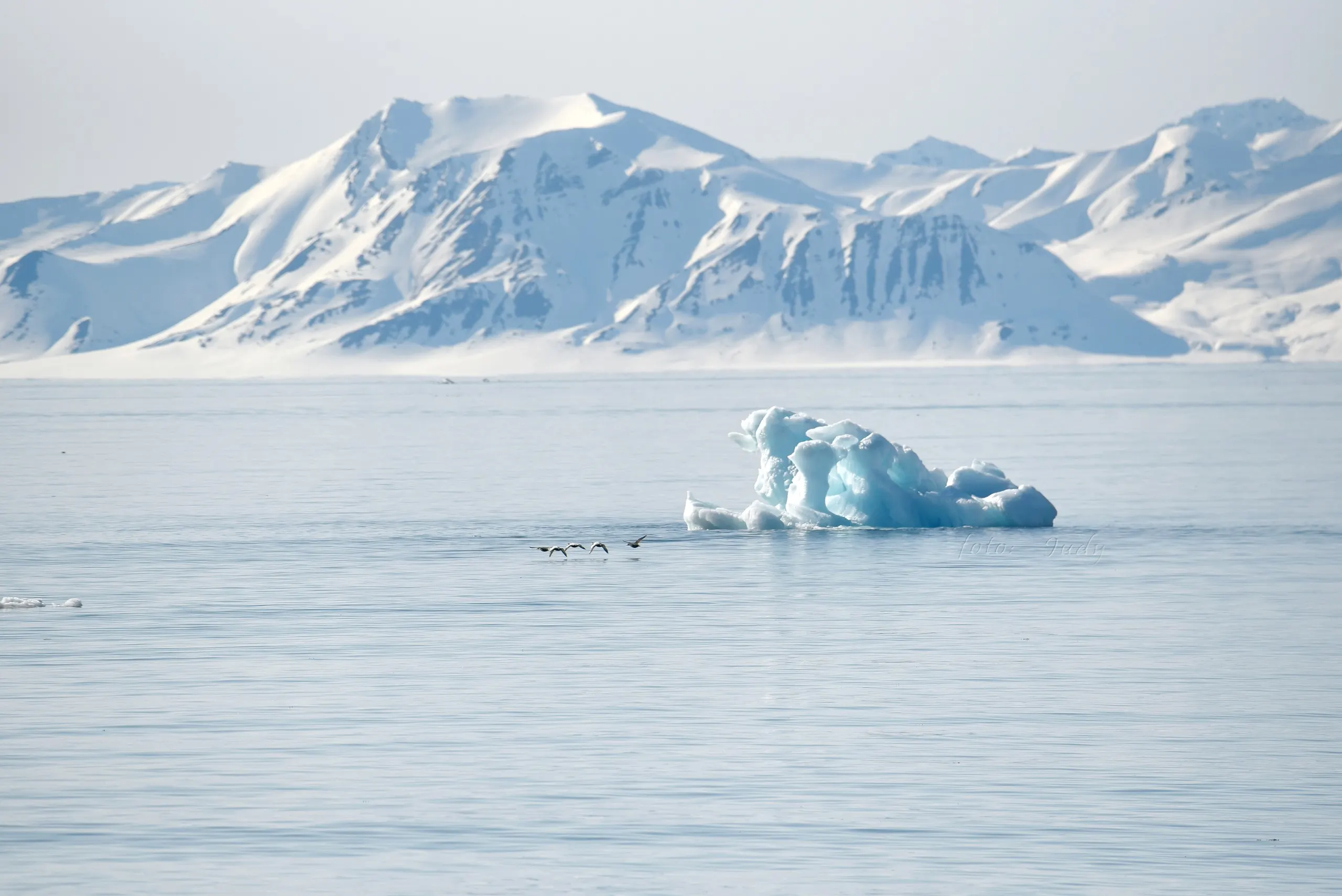
17 days from Vlissingen in the Netherlands to Spitsbergen, an extended ocean odyssey aboard a Polar Code-compliant expedition vessel under the midnight sun. It follows the North Sea passage — Aberdeen, Fair Isle, volcanic Jan Mayen — then keeps going, with extra days to explore the Svalbard fjords once you arrive rather than disembarking the moment you reach Longyearbyen. Zodiac landings run where conditions allow.
This is the passage for travellers who want both the journey and the destination at full length. The 12-day North Sea route gets you to the ice; the 17-day version then spends days inside it, turning the arrival into an expedition of its own.
The route
| Leg | Waters | What you’ll likely see |
|---|---|---|
| 1 | Vlissingen (NL) | Board ship, North Sea departure |
| 2–4 | North Sea & Aberdeen | Seabirds, gannets, Scottish coast |
| 5 | Fair Isle | Seabird cliffs, Zodiac landing |
| 6–8 | Norwegian Sea | Dolphins, whales, open-ocean birds |
| 9 | Jan Mayen | Volcanic landfall, Beerenberg, seals |
| 10–12 | Northbound crossing | Whales, drift ice, first fjords |
| 13–16 | Spitsbergen fjords | Walrus, polar bears, glacier fronts, landings |
| 17 | Longyearbyen | Disembark, transfer to airport |
Life on board
The vessel meets the Polar Code for ice-affected waters and carries about 57 crew, including 15 polar specialists and an onboard physician. All meals are served on board, and naturalist lectures run across the long sea days — seabirds, ocean ecology, Jan Mayen’s volcanism, and the ice and wildlife of Svalbard. Zodiac excursions run at the landfalls and throughout the Spitsbergen leg, conditions allowing. Expect open-water motion on the crossings.
Wildlife odds, honestly
The passage is rich in seabirds with good dolphin and whale chances on the open legs and seals at Jan Mayen; the Spitsbergen days then bring walrus and real polar bear potential as you work the fjords and ice. Nothing is guaranteed — ocean wildlife is dispersed, landfalls depend on weather, and bears follow the ice. The extra Svalbard days improve the odds simply by adding time on station. The naturalists watch throughout and position the ship accordingly.