
When to go
Pick the time. The rest will follow.
There are 2 types of Svalbard: total darkness with aurora, or a summer where the sun refuses to set. Decide which light you want, and the trip shapes itself around it.
When to travel
Svalbard is worth visiting all year round!
Should you come in winter or summer? Two seasons, two very different trips.
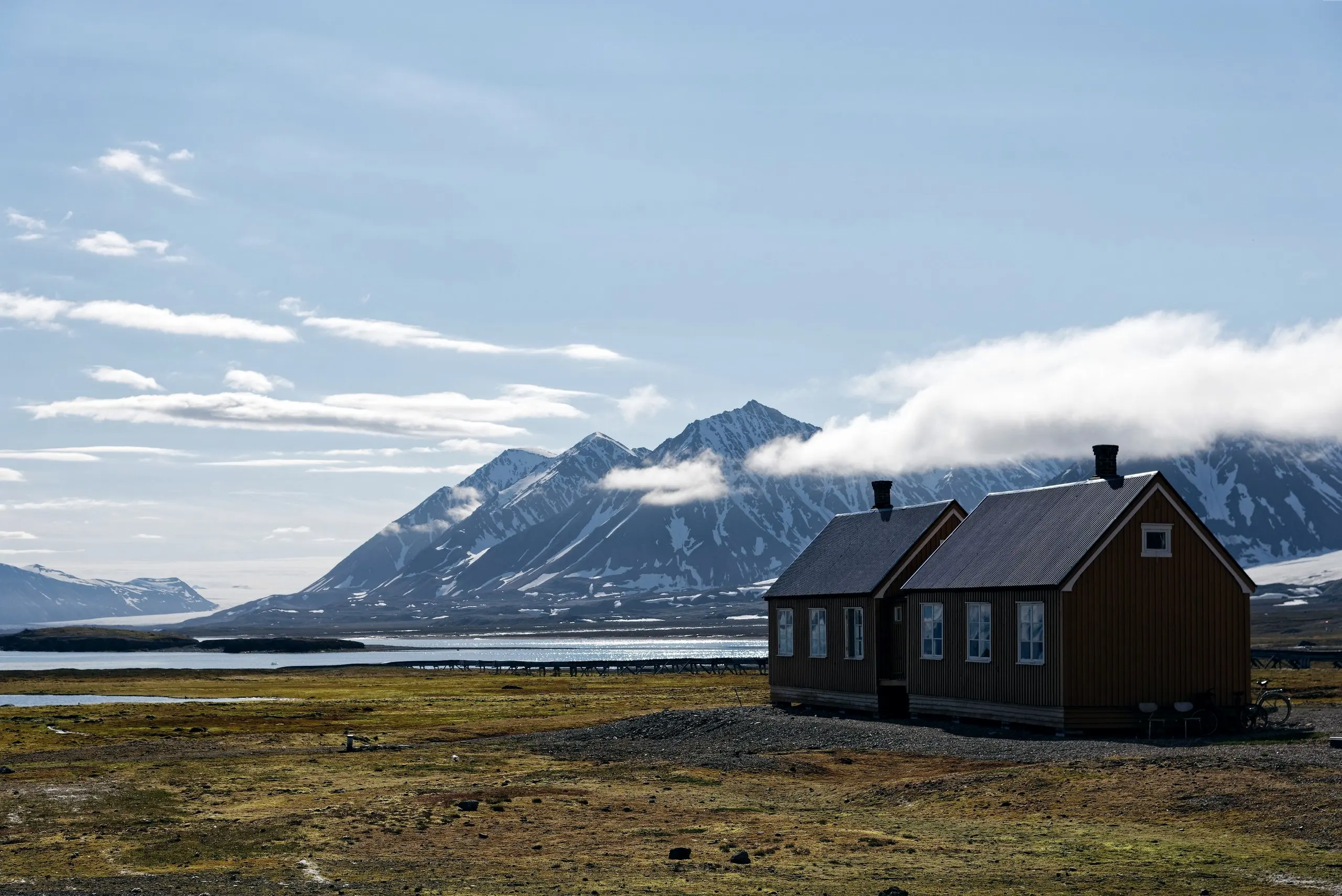
May to Oct
Summer
Midnight sun, boat trips to glacier fronts, walrus and whales, and hiking across the open tundra.
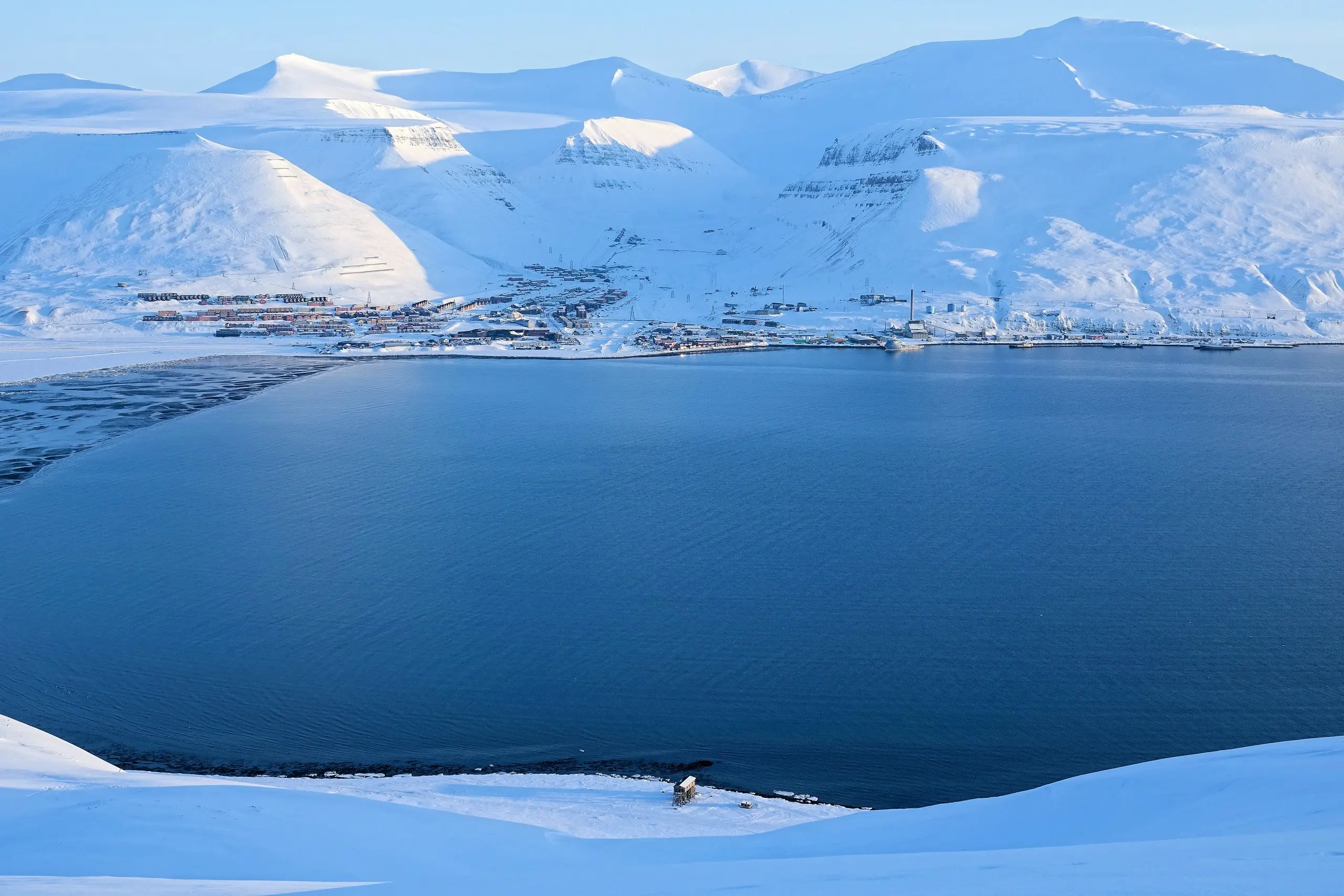
Nov to April
Winter
Polar night and aurora, then full daylight on deep snow: husky, snowmobile and blue ice caves.
Across the year
Two seasons, two different trips
The calendar matters less than the light. Here is what each window actually gives you.
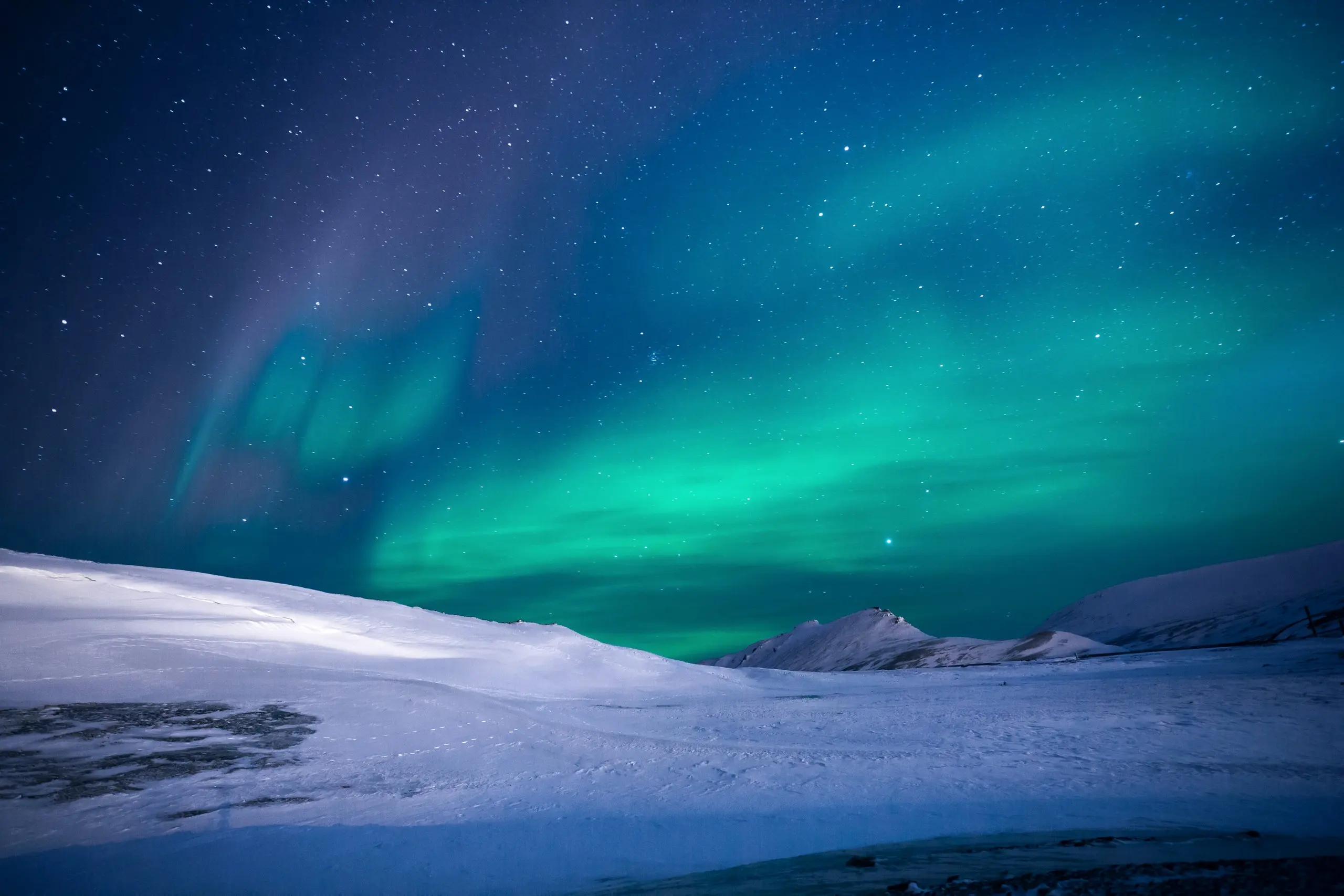
Polar Night
For weeks the sun never clears the horizon and the land sits in blue dusk or full dark. It is the quietest, strangest version of Svalbard, and the only window for the northern lights, which need a properly dark sky.
- Window
- Late October to mid-February
- Daylight
- No sun above the horizon
- Typical temp
- −13 to −16 °C
What runs
- Northern-lights hunts
- Husky sledding
- Snowmobile trips
- Town & culture
Best for: Aurora and the full dark-season atmosphere.
Plan a trip in this season →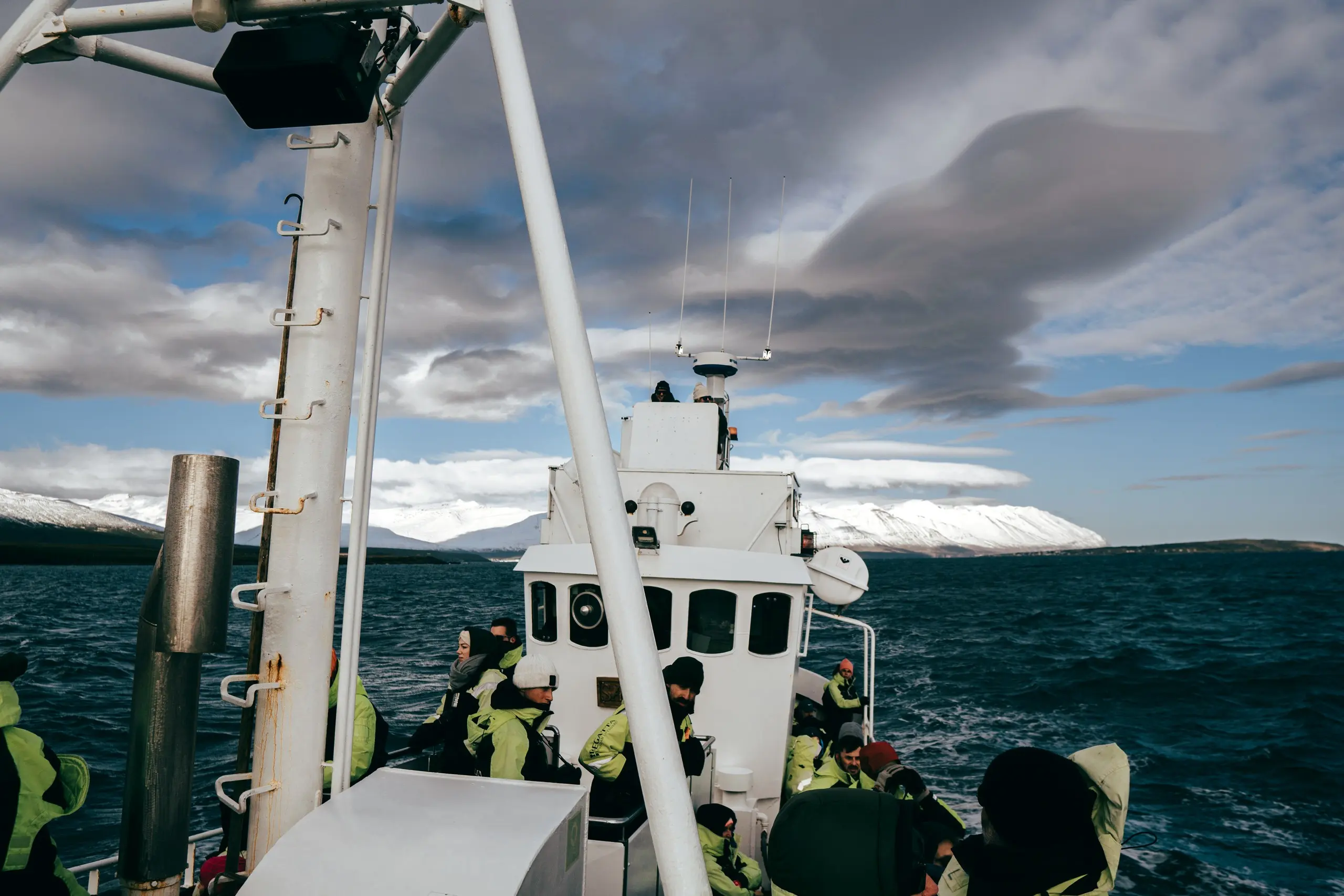
Midnight Sun
The ice opens and the sun simply does not set. This is the season for the water and the wildlife: boat trips to glacier fronts, walrus, whales and seabirds, hiking the green tundra, and the expedition cruises that round the coast.
- Window
- Mid-May to late September
- Daylight
- 24-hour sun at its peak
- Typical temp
- 0 to +7 °C
What runs
- Wildlife boat tours
- Expedition cruises
- Arctic hiking
- ATV safaris
Best for: Wildlife, glaciers and getting out on the water.
Plan a trip in this season →