
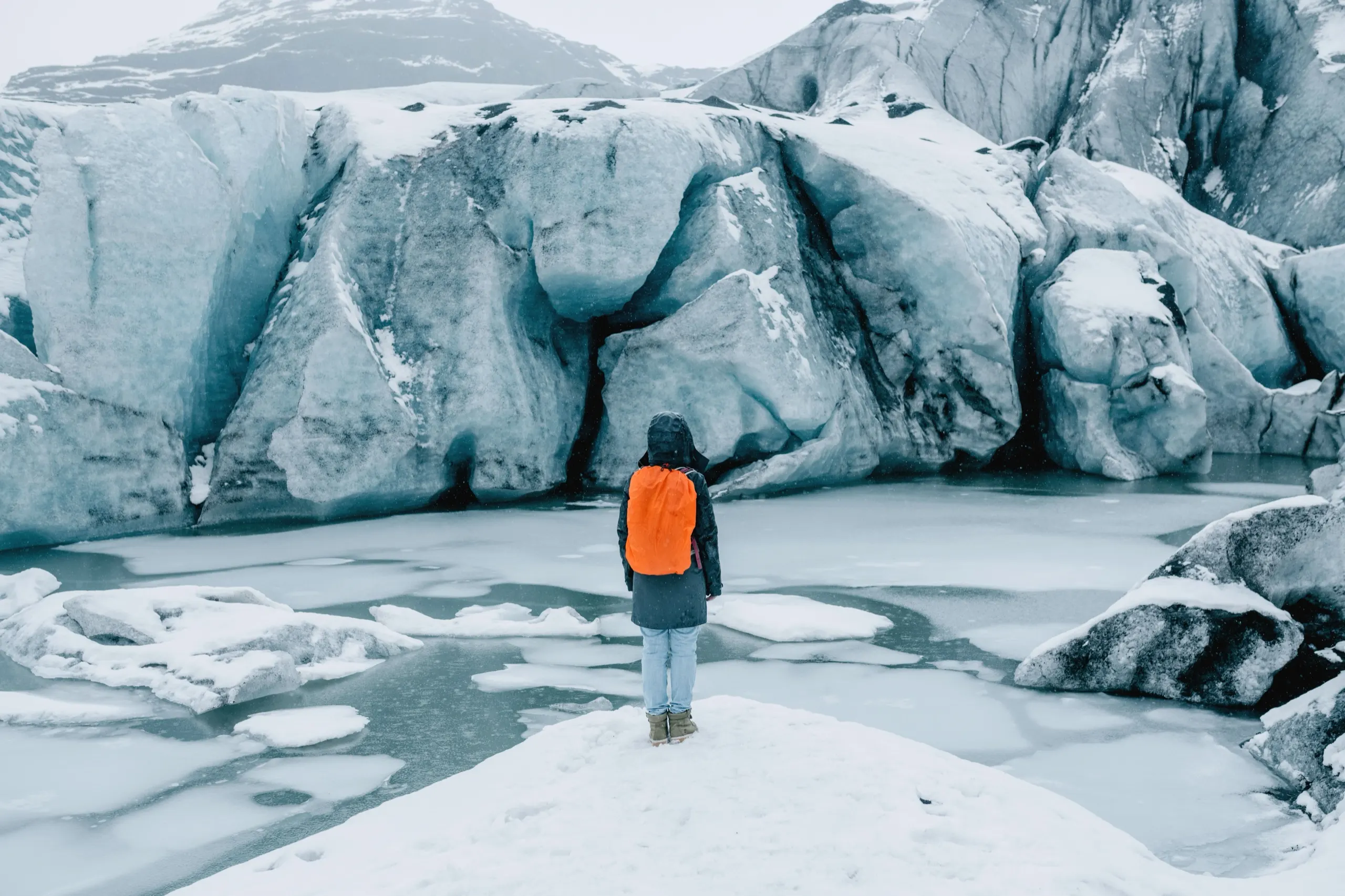
Day tour · Year-round
Arctic Hiking
Guided walks over open tundra, ridges and moraine, up to 10 hours. Green ground under the midnight sun in summer, snow in spring. An armed guide leads every route outside town.
- Duration
- up to 6 h
- Season
- Year-round
- Group
- Small group
- Min age
- 12+ (route-dependent)
- Meeting point
- Town meeting point or hotel pickup
- From
- €130 pp
- Intensity
- Active
- Walk on open tundra, off marked trails
- Ridge lines and wide fjord views
- Green ground in summer, snow in spring
- Armed certified guide on every route
Guided walks into the open country around Longyearbyen, from short valley routes to full ridge days, up to 6 hours long. The core season is May to September, when the ground is clear and the sun does not set; spring trips cross snow instead of tundra, so the same hills feel like a different walk. Every route beyond the town boundary goes with an armed, certified guide.
What to expect, honestly
The ground does most of the work to make this harder than it sounds. There are no marked trails, so you walk on uneven tundra, loose moraine and through crossings that can soak your boots, at the pace the guide sets for the group. The weather changes fast and can turn a ridge plan into a sheltered valley walk on the guide’s call. The armed-guide rule is the legal and practical reality of moving outside town, not theatre. Match the trip to your honest fitness, dress for cold and rain in any month, and treat any wildlife as a possibility rather than the reason you booked.
On this tour
What you'll do
Onto the open tundra
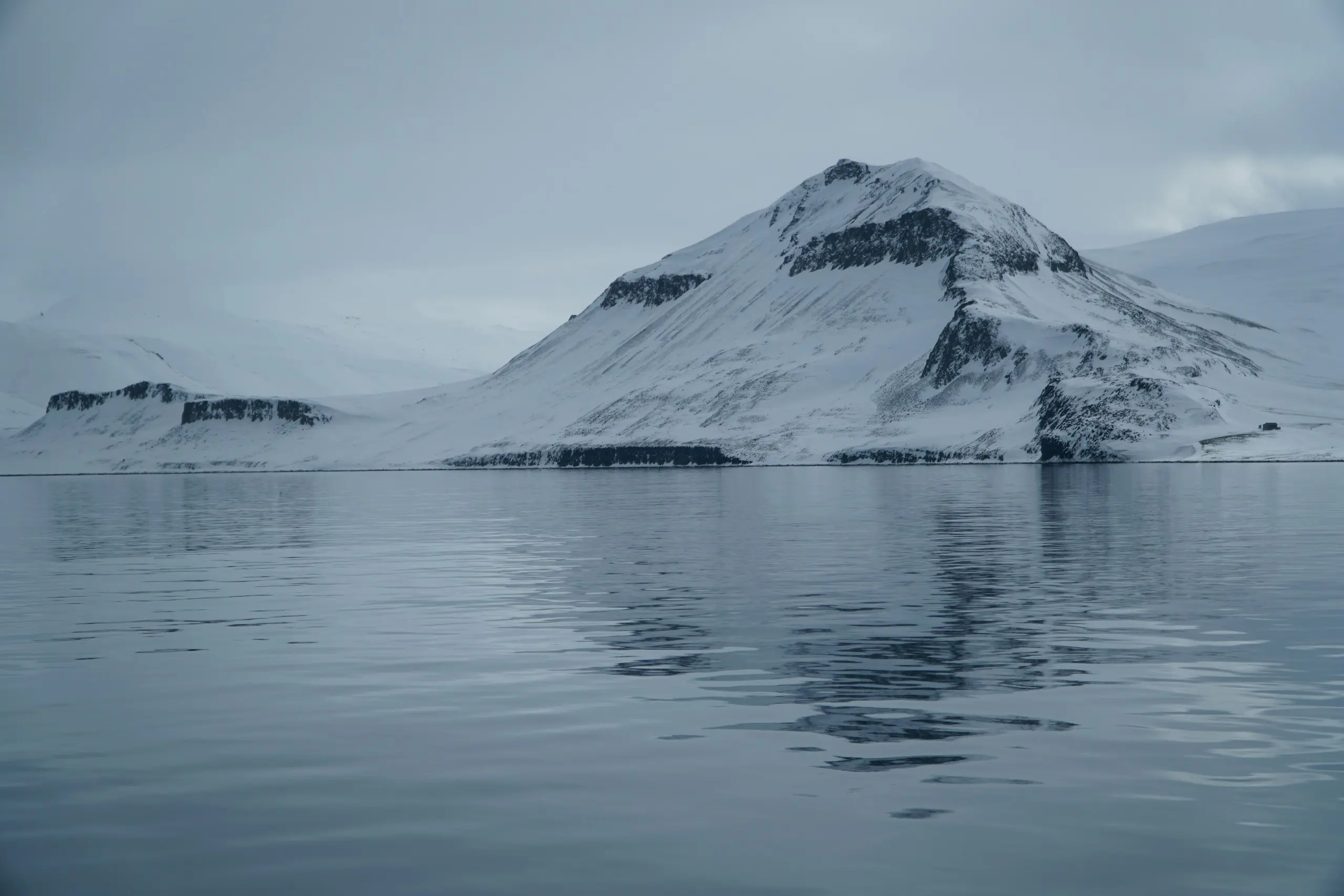
You leave the road and walk out onto trackless ground. There are no paths here, so you follow the line your guide reads across the terrain: firm green tundra under the midnight sun in summer, or snow underfoot in spring. The walking is the point, and the quiet comes with it.
Ridge lines and valley views
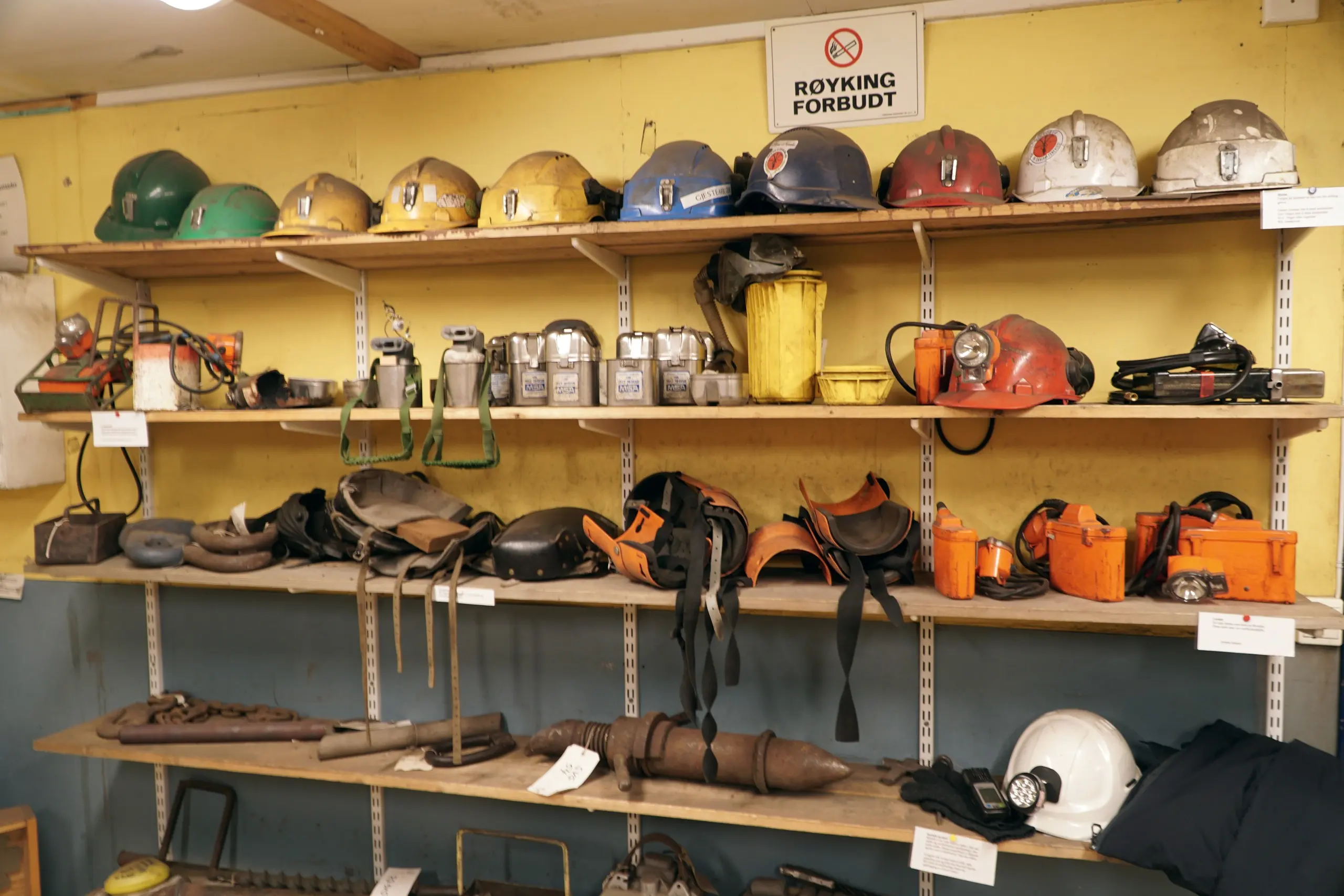
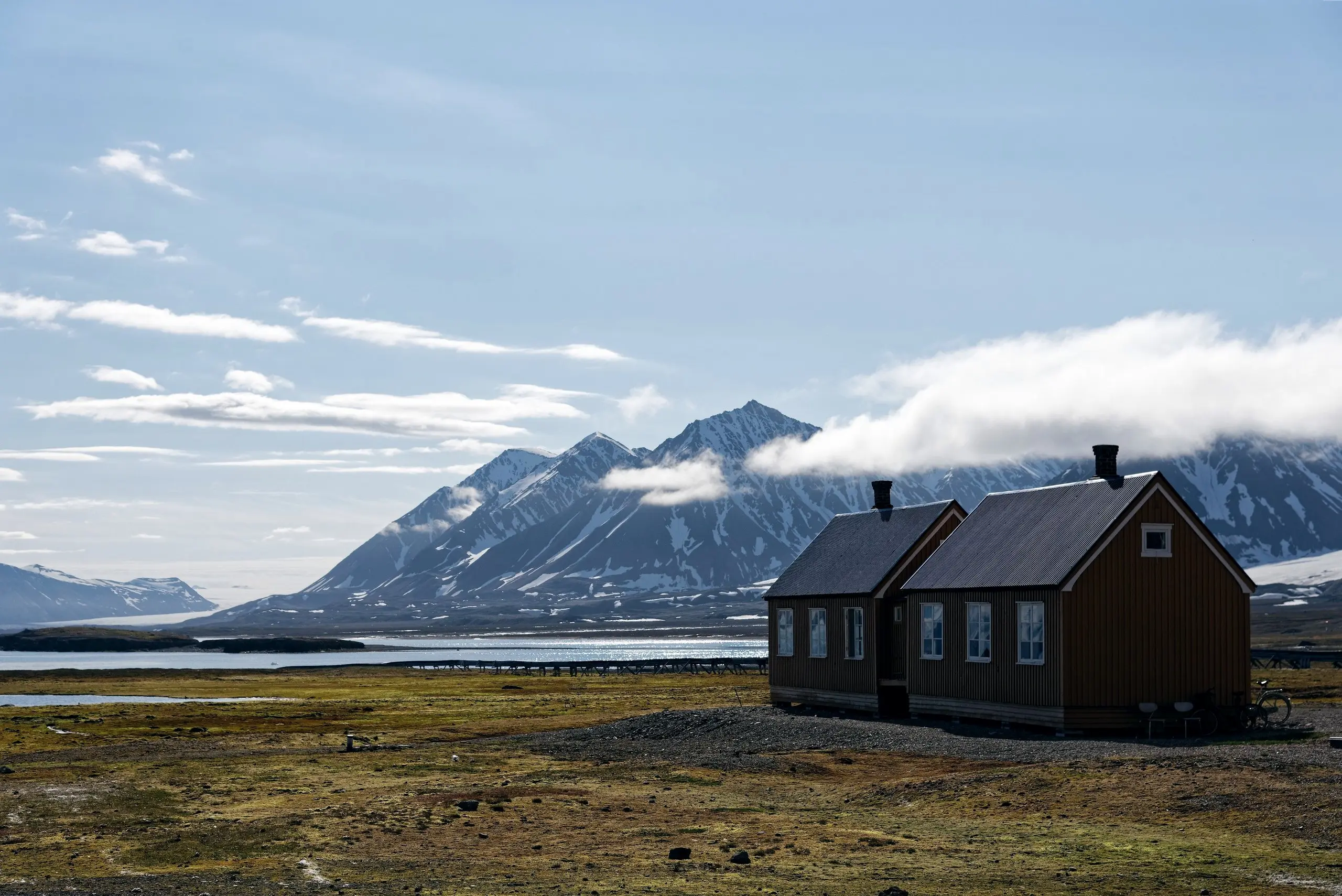
Where the day and the group allow, you climb to a ridge or a viewpoint and stop to take in the fjords and peaks. The reward for the effort is the long view: still water, snow-streaked mountains, and a sense of the scale of the place.

Reindeer and old traces
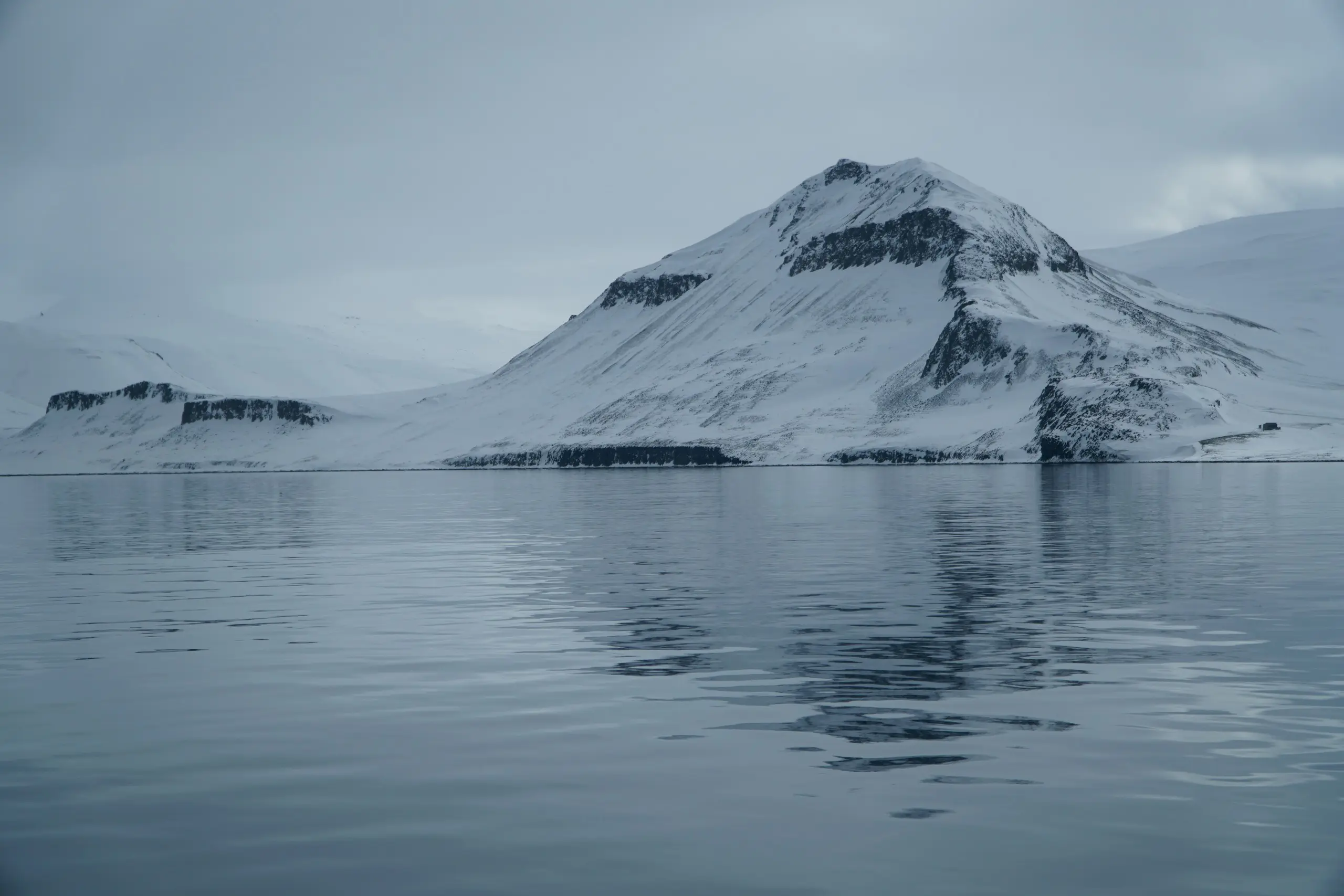
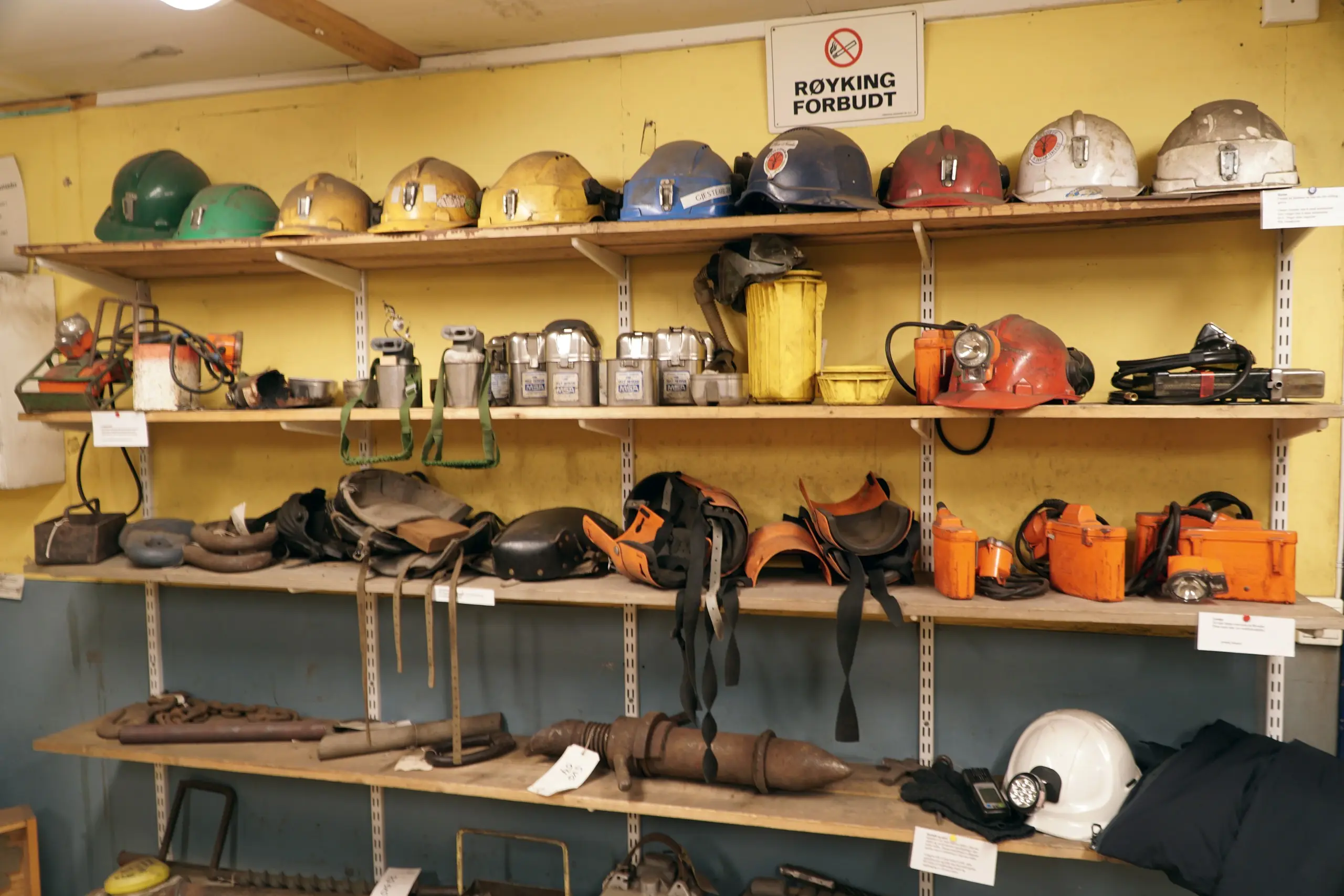
Svalbard reindeer graze the tundra and sometimes let you pass close, though nothing about wildlife is promised. You may also cross old traces of trapping and mining left in the landscape. Treat any sighting as a chance, not the reason you came.
A day on this tour
How the day runs
- Start
Meet and safety briefing
You meet your guide in town or are collected from your hotel. The briefing covers the route, the pace, and the rifle and flare the guide carries against polar bears.
- +20 min
To the trailhead
A short drive or walk takes you to the edge of town, where the marked ground ends and the open tundra begins.
- +1 h
Out onto the tundra
You climb away from the valley floor across uneven, trail-free ground, walking together as a group at a steady, guided pace.
- Midway
Ridge or viewpoint, with a break
You reach a ridge or high point and stop for a rest, a drink and the view, while the guide keeps watch over the surroundings.
- Afternoon
Descend and return
You drop back down the way the terrain allows and return to the trailhead, then back into town or to your hotel.
Times are a guide; the running order shifts with weather, light and the group.
Want this on your dates?
Tell us when you're coming and we'll build it into a plan, with real prices.
What's included
- Armed, certified English-speaking guide
- Polar-bear safety equipment (rifle and flare)
- Route matched to the group's fitness and the weather
- Town meeting point or hotel pickup and drop-off
What to bring
- Sturdy hiking boots with ankle support
- Warm layers plus a windproof, waterproof shell
- Hat, gloves and sunglasses in any season
- A daypack with water and snacks
- Camera, with a spare battery in an inside pocket
Season planner
The best months for this
Activities are gated by snow, ice and daylight. Pick your month, then pick what's actually possible.
| Jan | Feb | Mar | Apr | May | Jun | Jul | Aug | Sep | Oct | Nov | Dec | |
|---|---|---|---|---|---|---|---|---|---|---|---|---|
| Arctic hiking |
From the trail
A look at the day

Good to know
Before you book
How hard is the walking?
Harder than the distance suggests. The ground is uneven and trail-free, with soft tundra, loose moraine and river crossings, so it asks for steady fitness and decent boots. Routes are matched to the group, so tell us your honest level.
Why does a guide carry a rifle?
Polar bears can appear anywhere outside the settlements, so an armed, certified guide is legally required and stays with the group throughout. It is a real safety measure, not for show.
What is the difference between summer and spring?
In summer you walk on green or brown tundra under a sun that does not set. In spring there is still snow on the ground and the going is different underfoot. The same area can feel like two separate trips.
Will I see reindeer or other wildlife?
Maybe. Svalbard reindeer are often around, and Arctic foxes and birds are possible, but nothing is guaranteed. Treat any sighting as a bonus rather than the plan.
What if the weather turns?
Weather shifts fast here and the guide decides on the day. A ridge plan can become a sheltered valley walk, and in poor visibility a route may be shortened or moved. Safety comes first.
Is it suitable for children?
Some routes take younger walkers from around 12, depending on length and terrain. Tell us your group's ages and we will match a suitable walk or advise against it honestly.
Add Arctic Hiking to your trip
Answer a few questions and we'll fold this into a Svalbard plan that fits your dates and group, with real prices and one reply within 24 hours.
Start the trip planner