
Day tour · Summer
Wildlife Boat Tours
Walrus haul-outs, bird cliffs, and glacier fronts by catamaran or RIB. Up to 7 hours, May to October, during the open-water and midnight-sun season.
- Duration
- up to 7 h
- Season
- Summer
- Group
- Small-boat groups
- Min age
- All ages
- Meeting point
- Longyearbyen harbour
- From
- €210 pp
- Intensity
- Gentle
- A full day out across the fjord, mostly seated
- The richest wildlife day Svalbard offers in summer
- Up to a tidewater glacier front
- Warm gear and hot drinks aboard
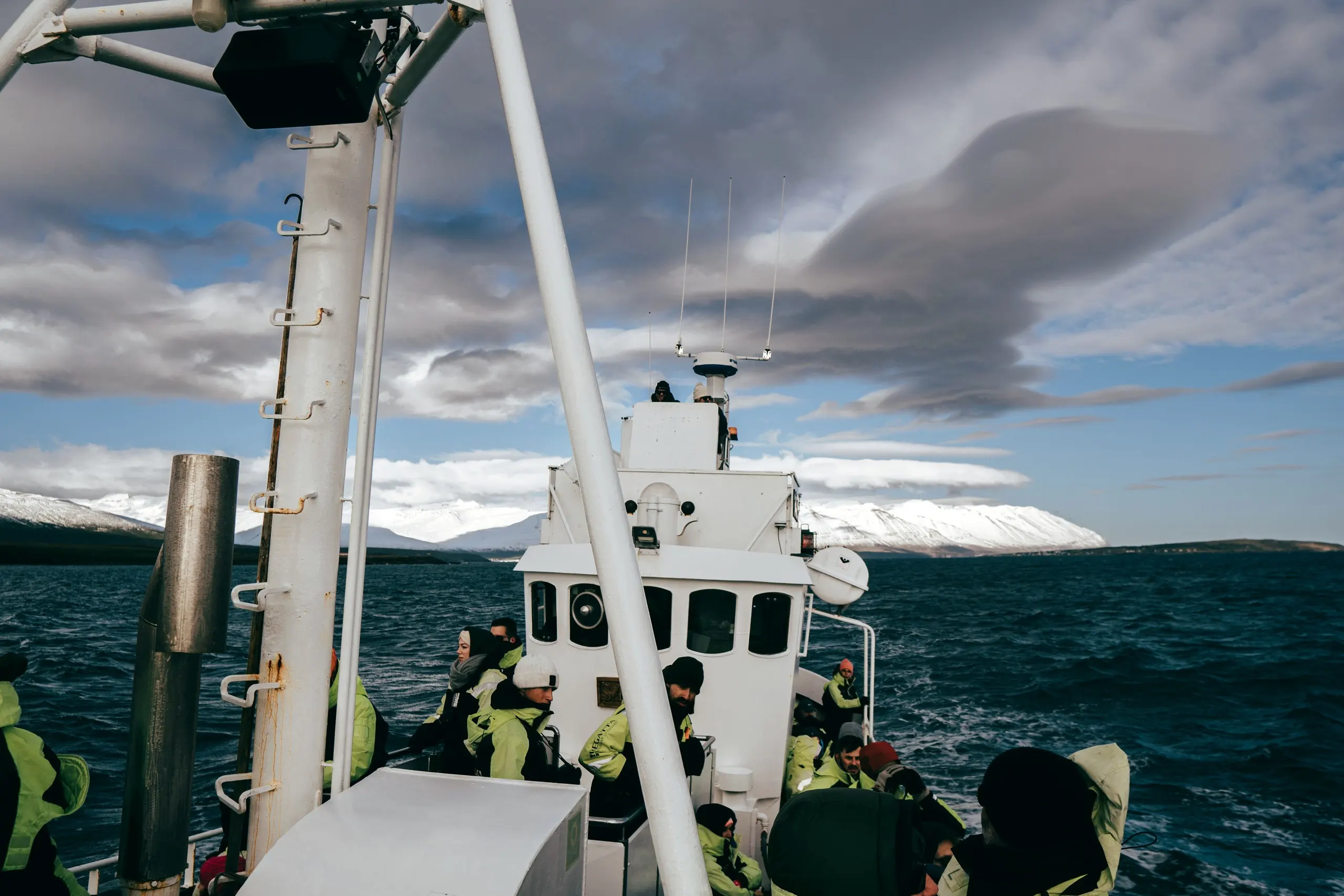
Boat trips run out into the fjords to reach walrus haul-outs, seabird cliffs and the front of a tidewater glacier, the richest wildlife day Svalbard offers in summer. Departures last up to 7 hours and operate from May to October, the open-water season when the sea ice has cleared and the sun barely sets. You travel on a heated catamaran for comfort or a fast RIB for closer, rougher access, depending on the operator and the route.
What to expect, honestly
This is a relaxed, mostly seated day, so come for the wildlife rather than for effort. Walrus, whales, belugas and nesting seabirds are all possible, but none of them are guaranteed, since wild animals keep their own schedule, and the glacier front is the one dependable highlight. Open water can be cold and rough enough to cancel a RIB when a catamaran would still sail, and a long day on a moving boat can bring on seasickness, so take tablets if you’re unsure. Dress for spray and wind whatever the forecast, and treat the animals as a bonus on top of the ice and the coast.
On this tour
What you'll do
Out across the fjord
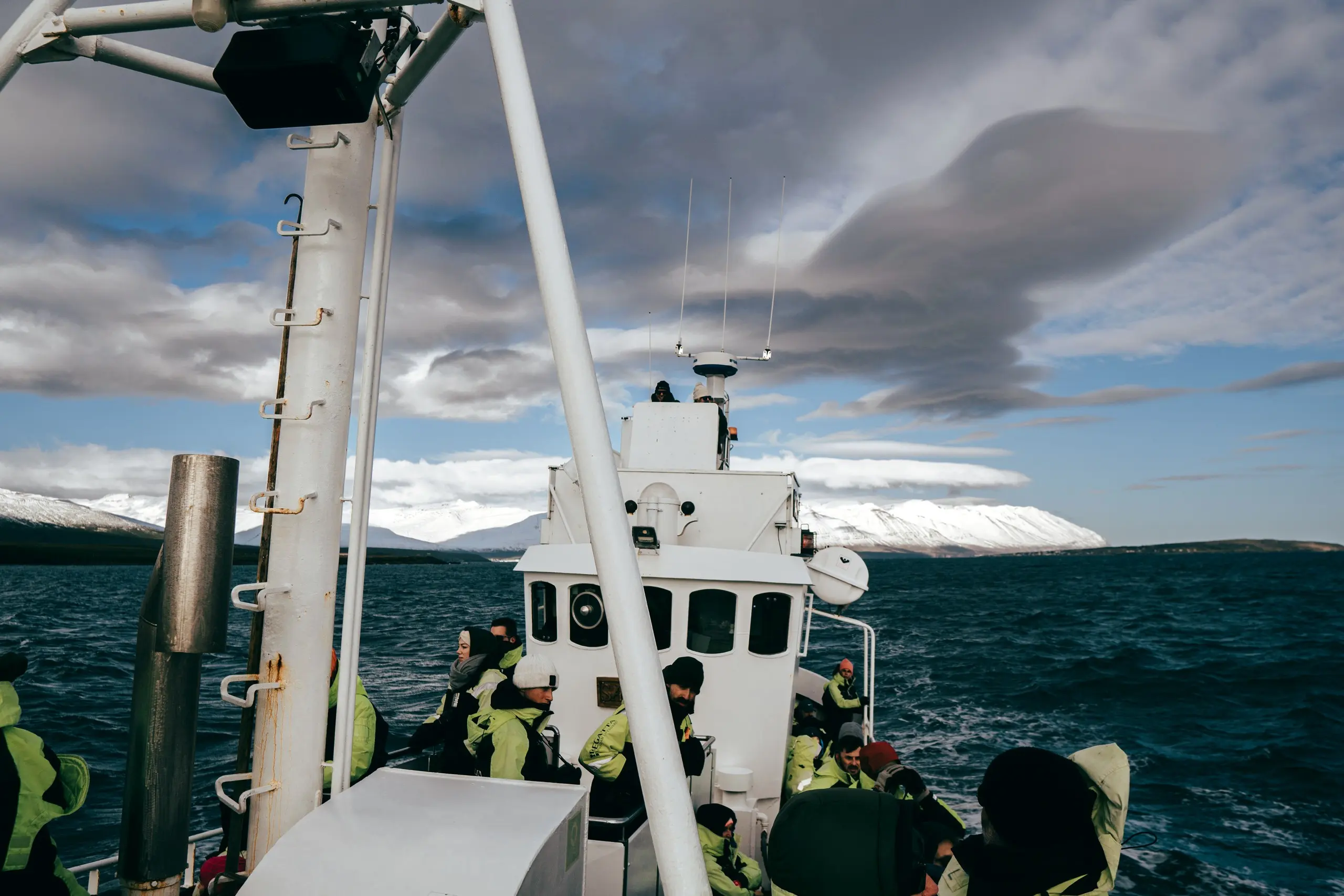
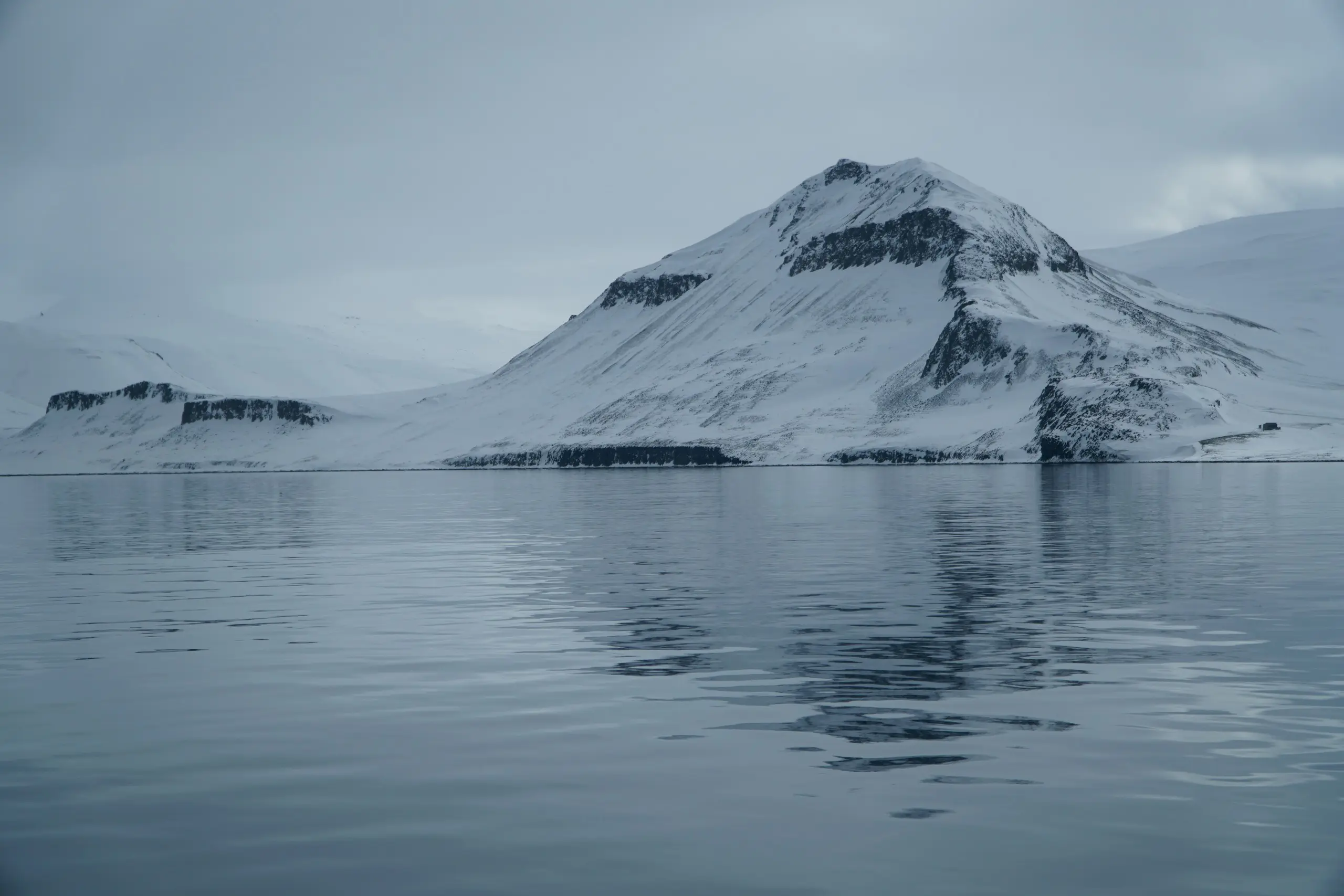
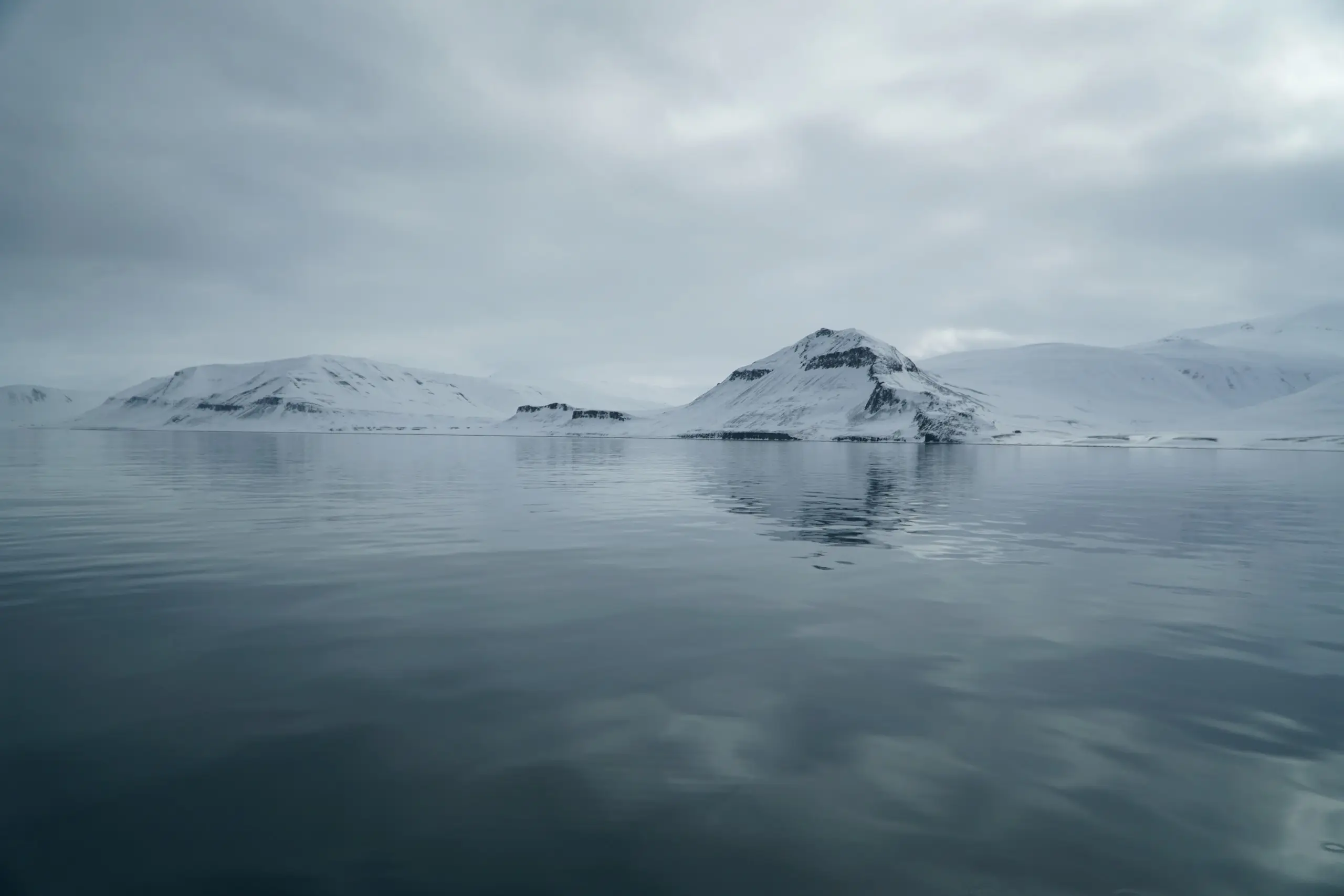
You leave the harbour and head out into Isfjorden, settling in for a long, mostly seated day on the water. The boat covers distance that is hard to reach any other way, with the coastline and snow-streaked peaks passing on both sides.
Up to a glacier front
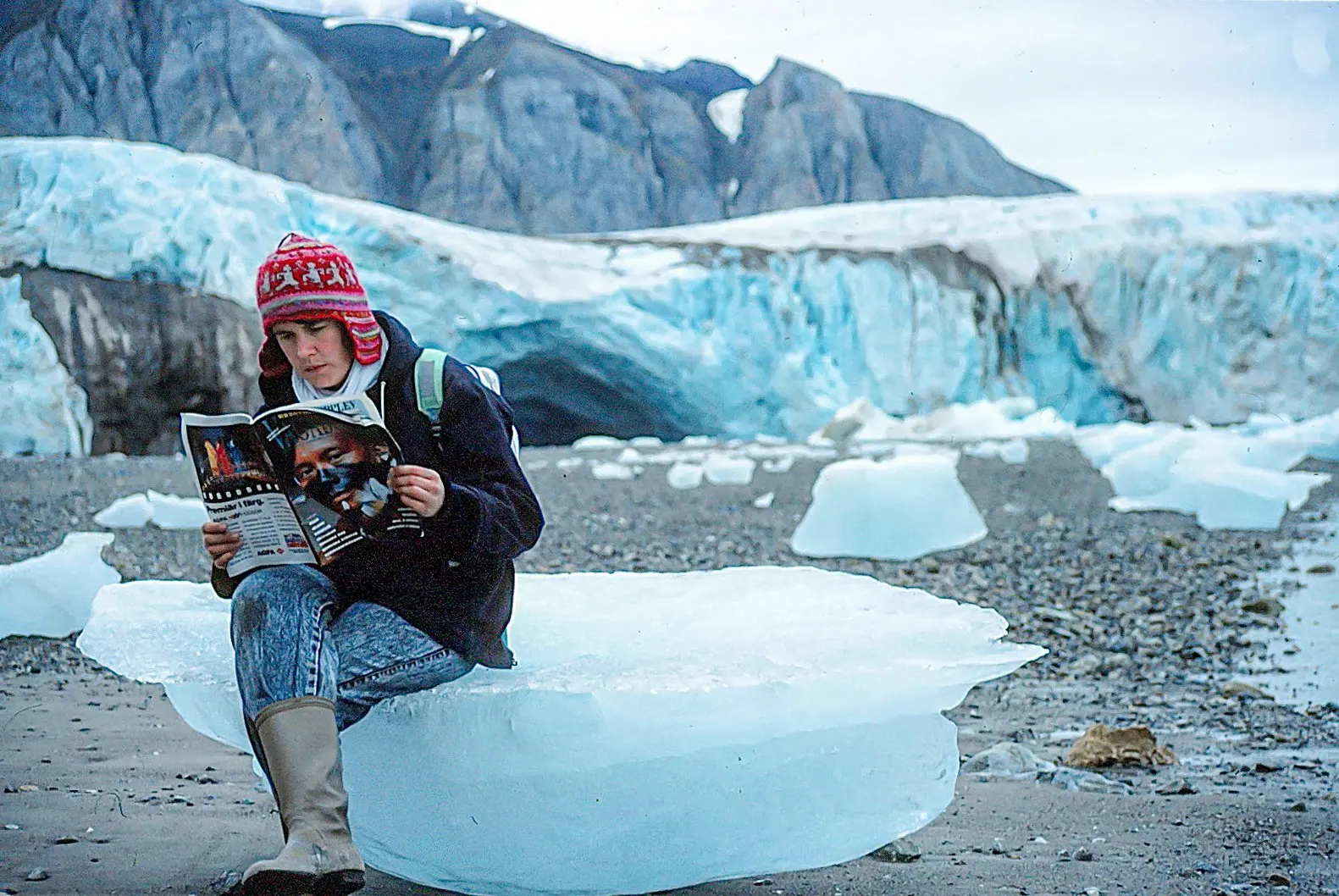
The boat works in toward the front of a tidewater glacier, threading past ice floes that have calved off and drifted out. The guide keeps a safe distance, because the face is unstable and can drop ice without warning, so this is the dependable highlight of the day.
Walrus haul-outs and whales
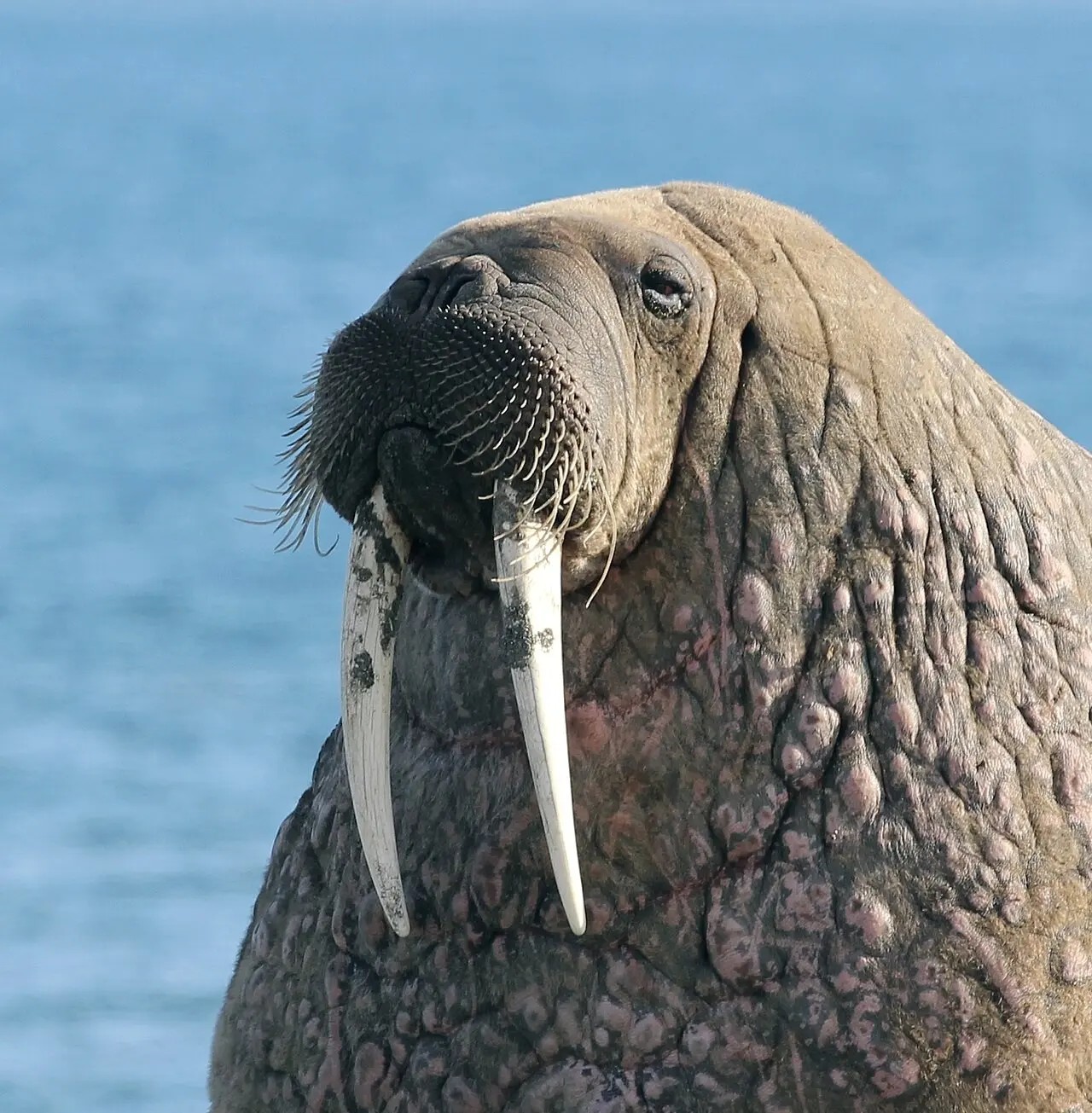
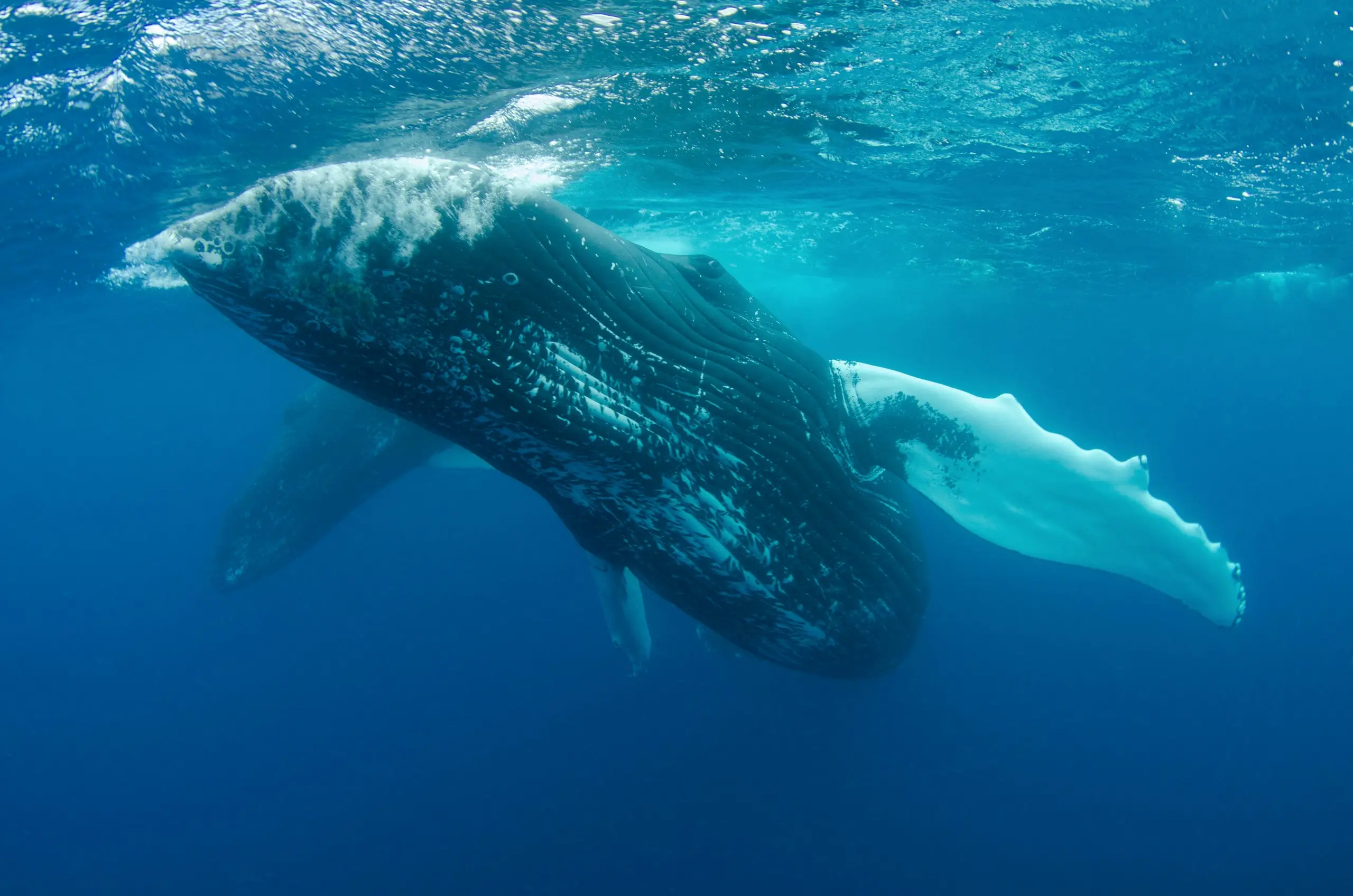
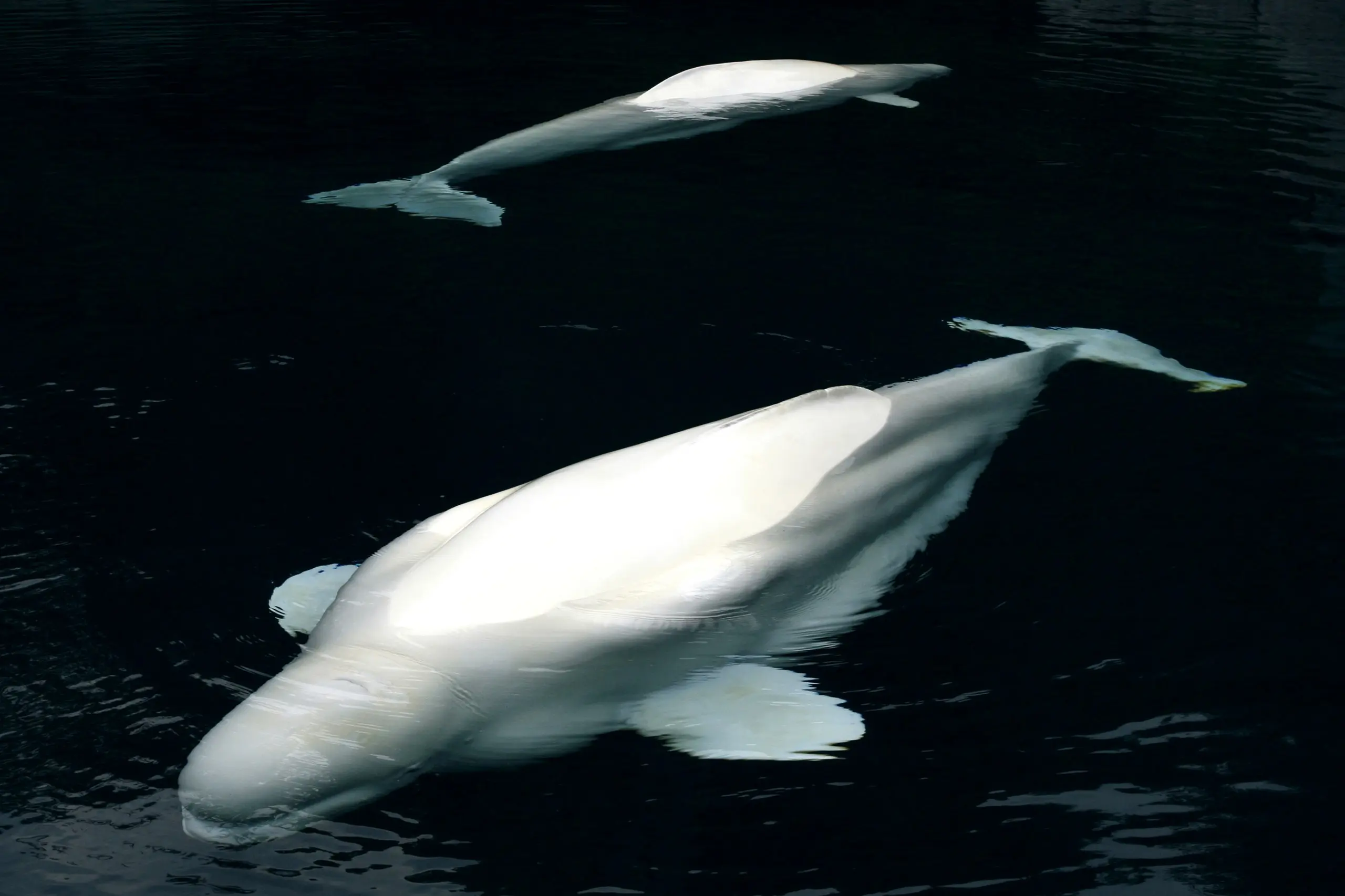
Where the day allows, the captain steers toward a walrus haul-out on a low shore, and watches for whales surfacing in open water. These are wild animals on their own schedule, so what you see is set by the day, not the brochure.
Seabird cliffs
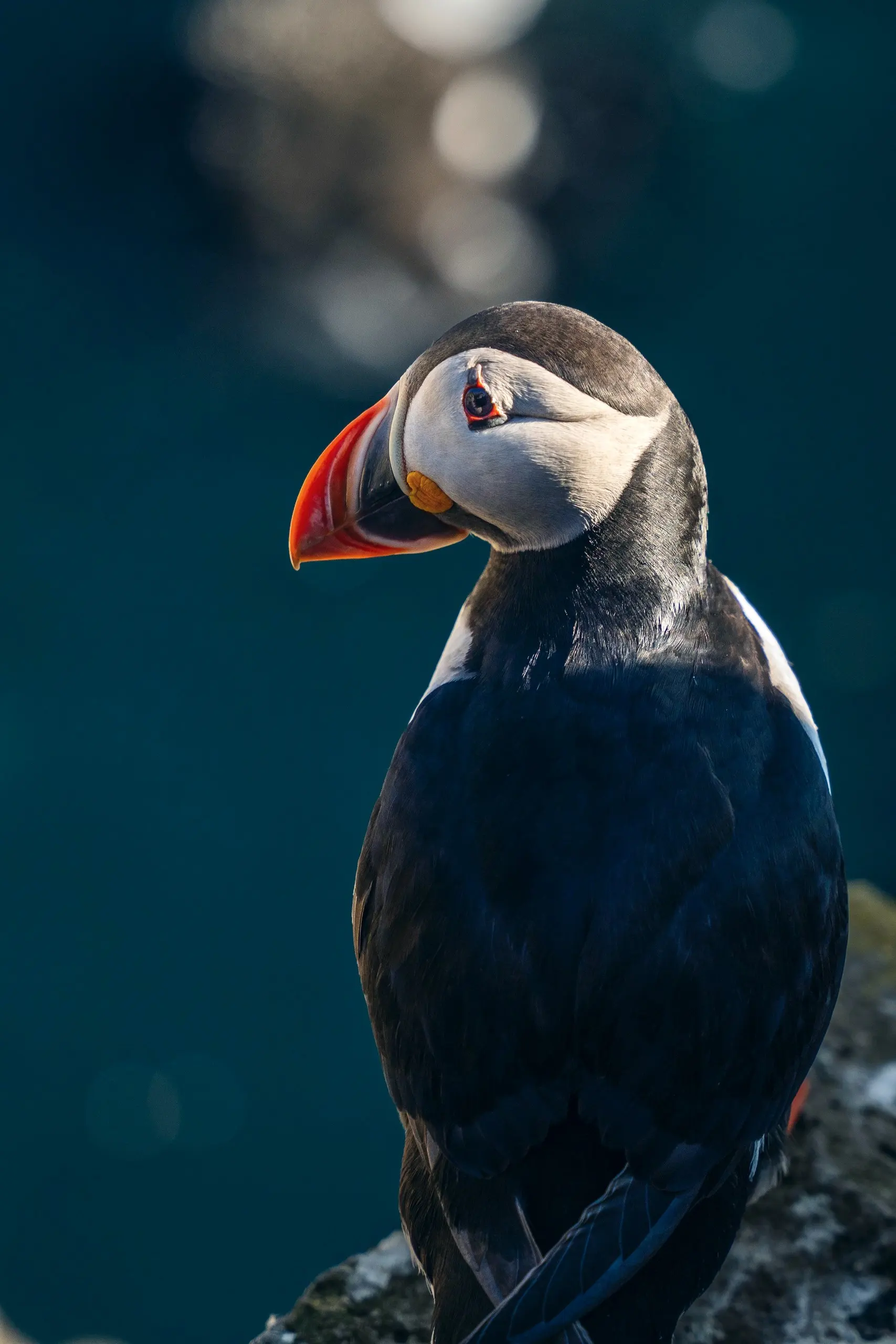
The route usually passes a seabird cliff loud with nesting birds through summer, with puffins, guillemots and kittiwakes on the ledges. You stay out on the water below and watch the colony come and go.
A day on this tour
How the day runs
- 08:30
Check in at the harbour
You meet at Longyearbyen harbour, collect any gear handed out for the day, and board. A short safety briefing covers the boat and the route.
- 09:00
Sail out of Isfjorden
The boat heads out from the harbour and into the open fjord, setting course for the day's first stretch of coast.
- 11:00
A tidewater glacier front
You reach a glacier face and slow down among the floes, holding back at a safe distance while the guide explains what you're looking at.
- 12:30
Wildlife watching
The captain works toward walrus, whales and bird cliffs as the day allows, pausing wherever there is something to watch. Nothing here is guaranteed.
- 14:00
A landing or lunch aboard
Depending on the operator and conditions, you stop for a short landing or eat a warm meal on board while the boat sits in calm water.
- 16:00
Return to the harbour
The boat turns back for Longyearbyen, reaching the harbour in the late afternoon. Exact timings shift with sea state and the route the captain chooses.
Times are a guide; the running order shifts with weather, light and the group.
Want this on your dates?
Tell us when you're coming and we'll build it into a plan, with real prices.
What's included
- Guided boat tour out into the fjords
- Warm outer layers or a flotation suit aboard
- Hot drinks, and a meal on full-day departures
- English-speaking guide
- Use of binoculars on most boats
What to bring
- Warm base and mid layers under the gear provided
- A windproof jacket, hat and gloves
- Sunglasses and sunscreen, even on grey days
- Seasickness tablets if you're unsure of open water
Season planner
The best months for this
Activities are gated by snow, ice and daylight. Pick your month, then pick what's actually possible.
| Jan | Feb | Mar | Apr | May | Jun | Jul | Aug | Sep | Oct | Nov | Dec | |
|---|---|---|---|---|---|---|---|---|---|---|---|---|
| Fjord & wildlife boats |
From the trail
A look at the day
Good to know
Before you book
Will I actually see walrus, whales or belugas?
Often, but never on demand. Walrus haul-outs move, whales and belugas surface where they choose, and a polar bear from a boat is luck rather than a feature. Treat the glacier front and the bird cliffs as the dependable part and the animals as a bonus on top.
Will I get seasick?
You might. Open water beyond the fjord can be choppy, and a long day amplifies it. If you're unsure, take tablets before boarding, stay out in the air, and look at the horizon. Calm days are common in midsummer but never promised.
How active is it?
Not very. This is the most relaxed trip on offer, since you're seated and sheltered for most of the day, with short spells out on deck to watch wildlife and ice. It suits all ages and most mobility levels.
How cold will it be on the water?
Colder than town, with wind and spray on top, even under the midnight sun. You get warm outer layers or a flotation suit aboard; bring your own base layers, a hat and gloves and you'll be comfortable.
What's the difference between a catamaran and a RIB?
A catamaran is larger, heated and steady, with an indoor cabin and a meal, better for a long, comfortable day. A RIB is small, fast and open, putting you low to the water for closer access but with more spray and movement. The operator and route decide which runs.
What happens if the weather is bad?
Rough seas can shorten a route or cancel a departure, and a RIB is grounded sooner than a catamaran. Safety comes first, so the captain may change the plan on the day. That's the Arctic, not a fault in the trip.
Add Wildlife Boat Tours to your trip
Answer a few questions and we'll fold this into a Svalbard plan that fits your dates and group, with real prices and one reply within 24 hours.
Start the trip planner