
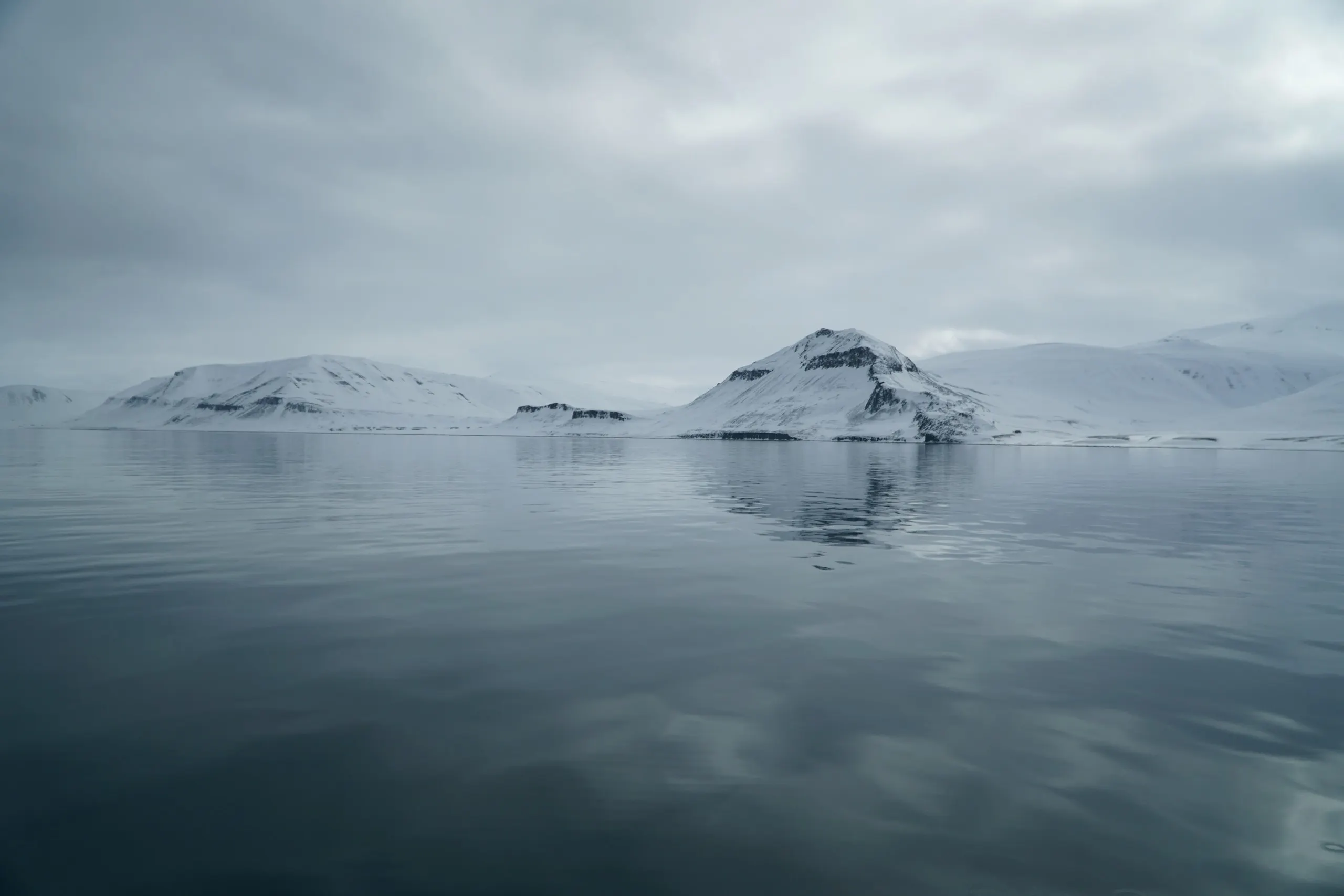
Choose Iceland for ease, Svalbard for the genuine High Arctic. Iceland is cheaper, far more accessible, and you can drive yourself anywhere — it is the relaxed introduction to the North. Svalbard is harder to reach and more expensive, but it delivers what Iceland cannot: sea ice, polar bears, the midnight sun, and the polar night, all at nearly 78°N. They are different trips, not interchangeable.
How they compare
| Factor | Svalbard | Iceland |
|---|---|---|
| Wildlife | Polar bears, walrus, reindeer, Arctic fox — true Arctic species (sightings are luck) | Whales, puffins, Icelandic horses; no polar bears |
| Aurora | Strong in the polar night, when skies are darkest | Reliable dark-season displays, easy to chase by car |
| Cost | High; ~€200–€500/day beyond flights, guided activities required | High, but cheaper flights, self-drive, and self-catering cut costs |
| Accessibility | Fly only (Oslo → Longyearbyen, ~3h); outside Schengen | Direct flights from many cities; easy car rental |
| Crowds | Few visitors, small settlements, remote feel | Busy, especially on the south coast and Golden Circle |
| Daylight extremes | Polar night 26 Oct–15 Feb; midnight sun 20 Apr–22 Aug | Long winter nights and bright summers, but no 24-hour extremes |
The honest trade-off
Iceland’s strength is freedom. You land, pick up a car, and set your own route past waterfalls, geothermal areas, and coastline, stopping where you like and eating when you like. There is no rule forcing you to take a guide, so the trip bends to you. That flexibility, plus cheaper and more frequent flights, makes it the lower-cost and lower-friction choice.
Svalbard’s strength is authenticity. It is real High Arctic terrain, not a milder version of it. The cost of that is structure: you fly in, you go guided to leave town because polar bears are a genuine risk, and you accept the seasons’ extremes — months of darkness or months of unbroken daylight. In return you get sea ice, the chance of a polar bear, and a place very few people reach.
Which should you pick?
- Pick Iceland if you want a flexible, self-driven first trip to the North at a more manageable cost, with waterfalls, aurora, and varied landscapes.
- Pick Svalbard if your goal is the true far north — polar bears, sea ice, and the daylight extremes — and you accept guided trips and higher cost as the price of getting there.
- Do both, separately. They scratch different itches. Iceland is the accessible North; Svalbard is the High Arctic. Neither replaces the other.
If the deciding factor is wildlife you cannot see anywhere else, Svalbard wins outright — Iceland has no polar bears. If it is ease and budget, Iceland does.
Quick answers
- Is Svalbard or Iceland better for first-timers?
- Iceland is the easier first trip — cheaper flights, self-drive freedom, no guide requirement, and more infrastructure. Svalbard is better if your goal is the genuine High Arctic: sea ice, midnight sun, polar night, and the chance of polar bears. It rewards travellers who want the real far north over convenience.
- Which is cheaper, Svalbard or Iceland?
- Iceland, generally. It has cheaper, more frequent flights and lets you self-cater and self-drive, which lowers daily cost. Svalbard is remote, requires guided activities to leave town, and runs roughly €200–€500 per day beyond flights. Both are expensive by global standards, but Iceland gives more ways to save.
- Can you see polar bears in Iceland?
- No. Iceland has no resident polar bears. Svalbard does — they live on the sea ice and remote coasts, and seeing one is the kind of wildlife experience Iceland cannot offer. Even on Svalbard, sightings are luck and most visitors do not see one.
Updated 6 June 2026.