town
Longyearbyen
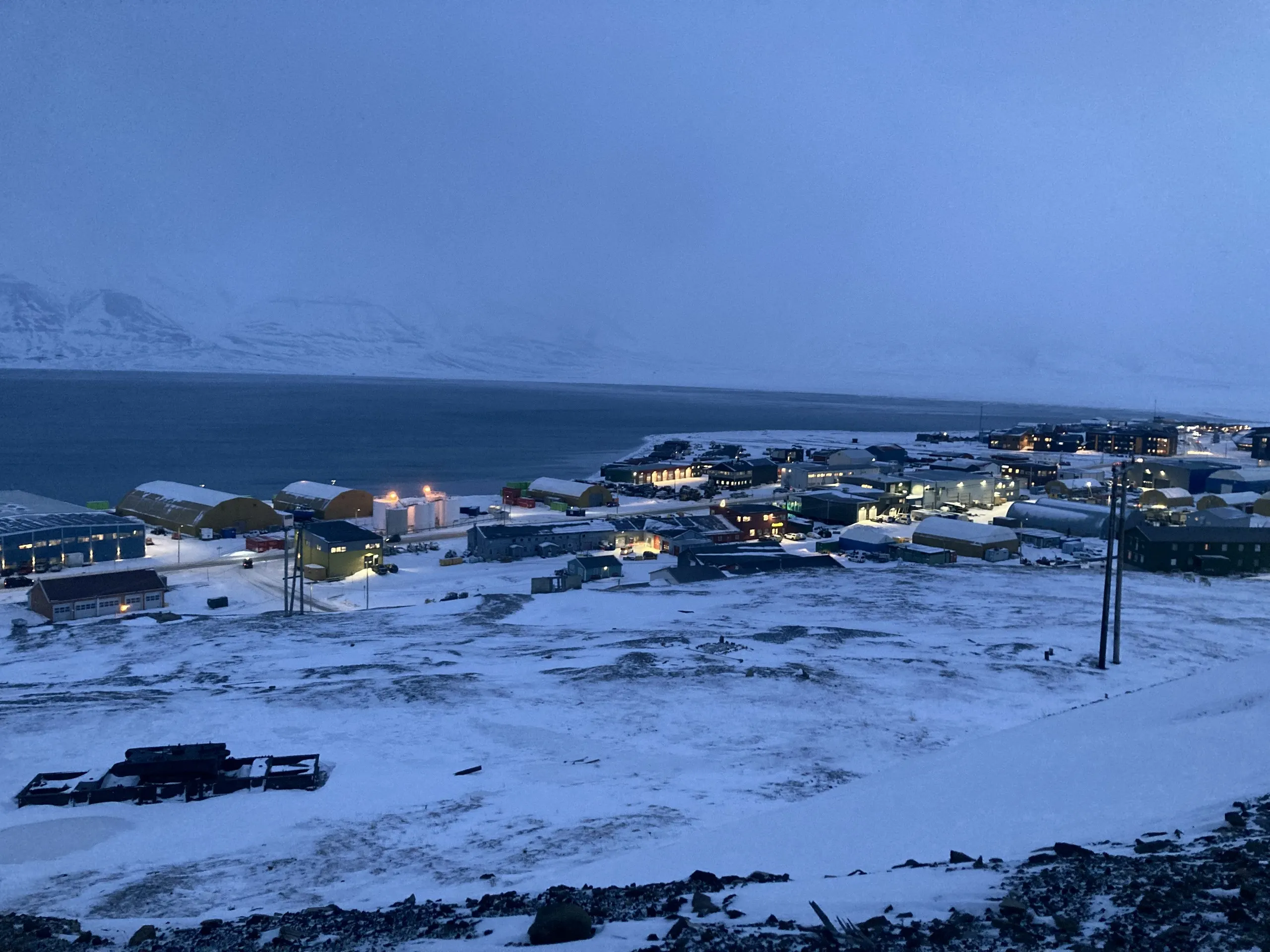
The world's northernmost town: roughly 2,400 residents at 78°N, founded 1906 as a coal settlement, now the gateway for every Svalbard trip. Airport, hotels, and the UNIS centre.
- Type
- town
- Population
- ~2,400
- Founded
- 1906
- From Longyearbyen
- The gateway hub
- Getting there
- Direct flights from Oslo & Tromsø
- Best season
- Year-round
Longyearbyen is the world’s northernmost town, home to about 2,400 people at 78 degrees north. It was founded in 1906 as a coal-mining settlement and is now the gateway to the whole archipelago: the airport, the hotels, the shops, and the university centre are all here, and every trip you take in Svalbard starts and ends in this one valley.
Why go
You go because there is no way around it. Longyearbyen is the only place with regular flights, paved roads, a hospital, and a full base of operators, so it is the hub for snowmobiling, boat trips, dog-sledding, and everything else. Beyond logistics it is a genuine town with a polar character of its own: 2,400 residents from more than 50 nationalities, a working culture built around mining history and now science and tourism, and a setting between a fjord and snow peaks that changes completely between the polar night and the midnight sun. The University Centre in Svalbard, UNIS, gives it a research community on top of the tourist trade.
How to get there
Longyearbyen has the only commercial airport on Svalbard, with direct flights from Oslo and Tromsø in mainland Norway, usually a 3-hour hop from Oslo. There is no road or ferry from the mainland; flying in is the only practical option. From the airport it is a short shuttle or taxi into the centre. Once you are here, the town itself is walkable, and trips to everywhere else on the islands depart from here by snowmobile, boat, or expedition ship.
What surprises people
Visitors are often caught out by the rules of the place. You take your shoes off indoors almost everywhere, a habit left from the coal-dust mining days. You cannot leave the town boundary without polar-bear protection, which is why guided trips and armed guides are the norm rather than an upsell. The light surprises people most: weeks of unbroken darkness in winter and weeks of unbroken daylight in summer, with no normal sunrise to anchor the day. Prices run high because nearly everything is shipped or flown in, and the town is smaller and more practical than the dramatic scenery suggests.
Getting there
No roads, only water and snow
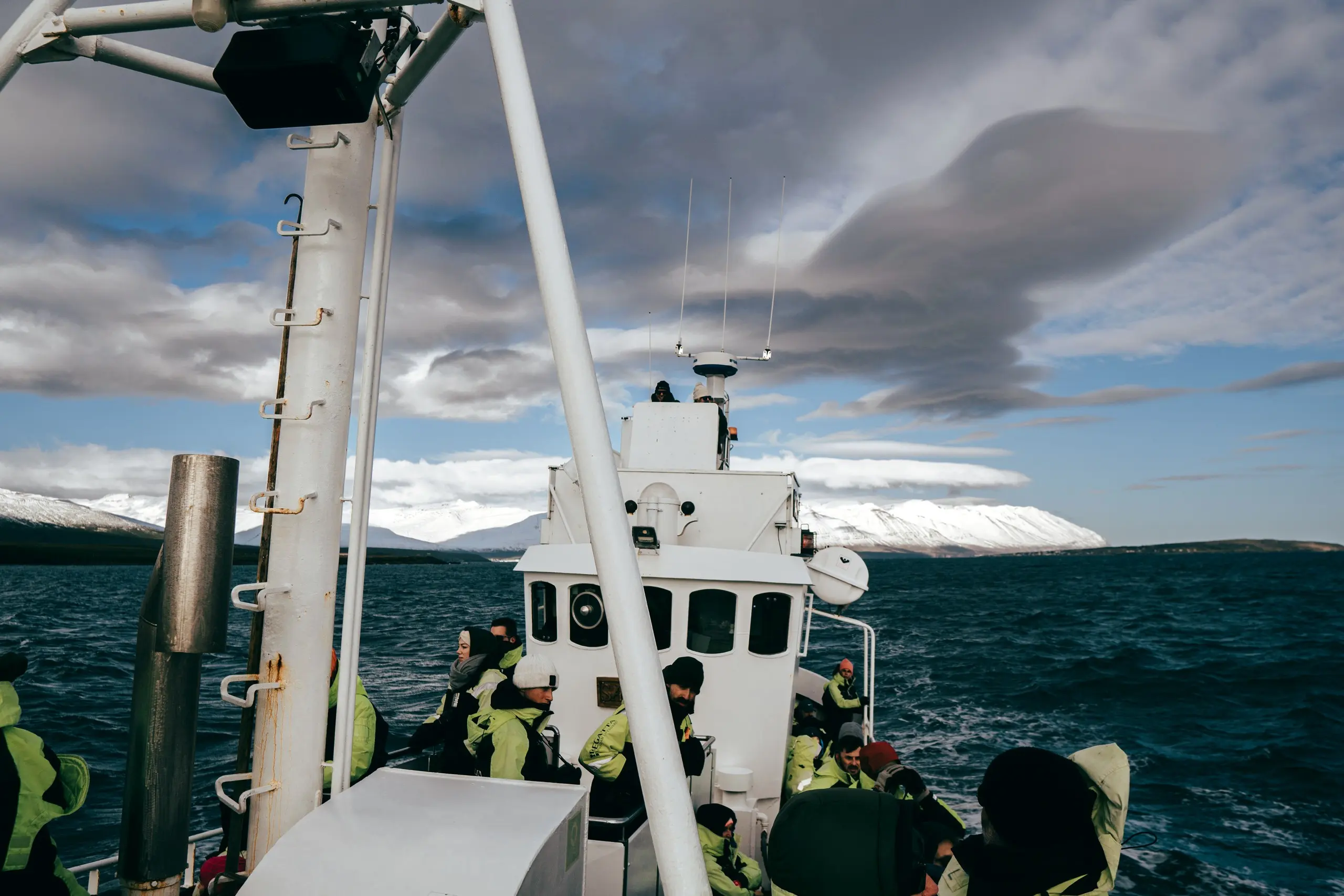
Nothing on Svalbard is connected by road. You reach the settlements from Longyearbyen two ways, depending on the season, and both are guided.