research station
Ny-Ålesund
The world's northernmost permanent research community at 79°N. A science-only settlement of rotating staff, visited only on expedition-cruise calls, not as an independent day trip.
- Type
- research station
- Population
- ~35 winter / ~120 summer
- Founded
- 1917 (research from the 1960s)
- From Longyearbyen
- ~107 km northwest
- Getting there
- Expedition-cruise calls; no road access
- Best season
- Summer
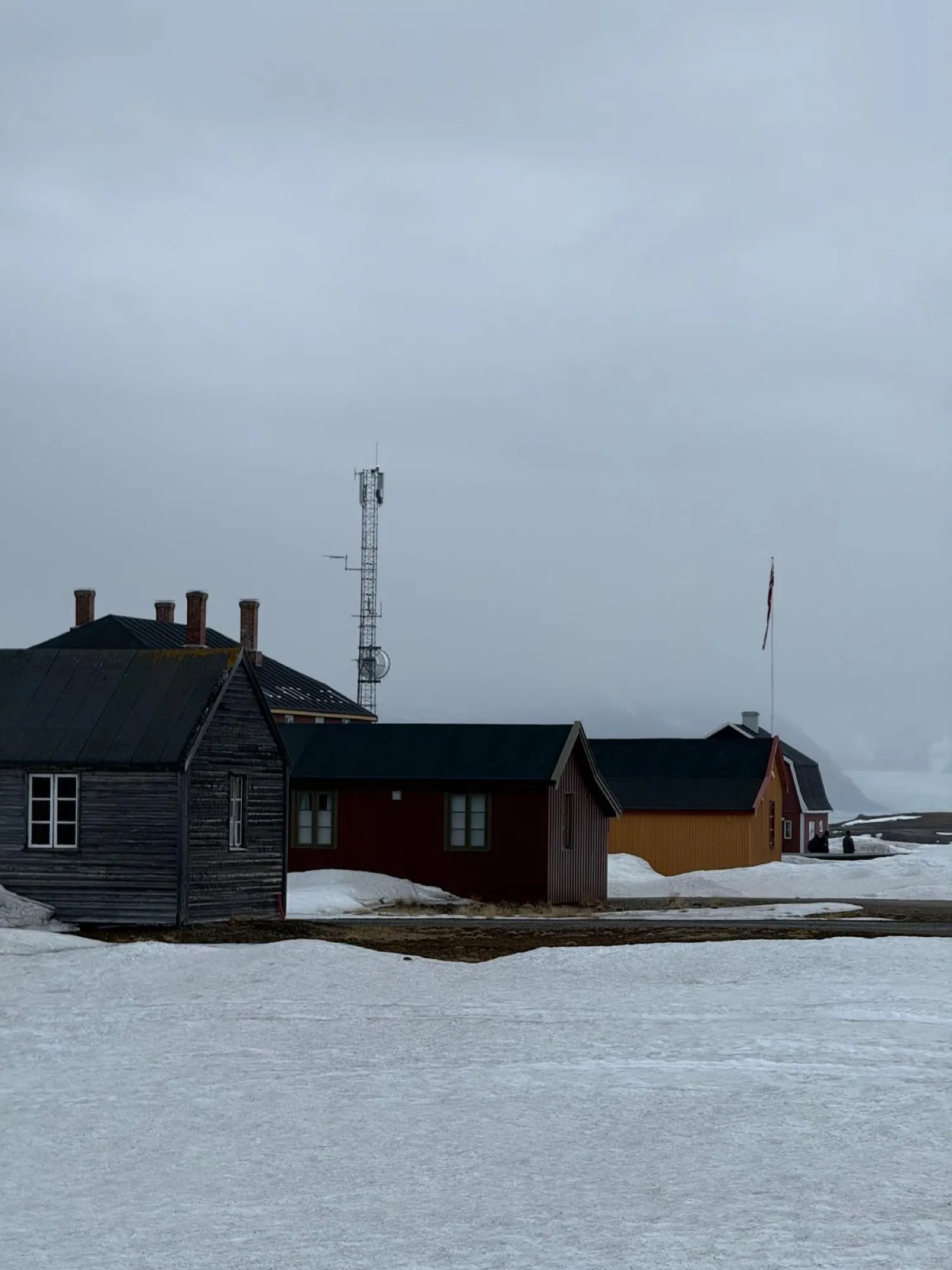
Ny-Ålesund is the world’s northernmost permanent research community, sitting at almost 79 degrees north on Kongsfjorden. It was once a coal-mining town, but after a mine accident in 1962 the coal era ended and it became a science settlement. Today it is run by the Norwegian company Kings Bay and hosts research stations from many countries, with a population that rises and falls with the seasons of fieldwork.
Why go
You go for the science and the setting, not for a tourist scene, because there isn’t one. Ny-Ålesund is a working international research base studying the atmosphere, glaciers, ocean, and wildlife of the high Arctic, and visiting it is a chance to see how that work is organised at the top of the world. There is a small museum in the old mining buildings, the mast that Amundsen and Nobile used to launch their 1926 airship flight toward the North Pole still standing, and the marine and glacial landscape of Kongsfjorden around it. The appeal is the place itself: remote, purposeful, and almost entirely given over to research.
How to get there
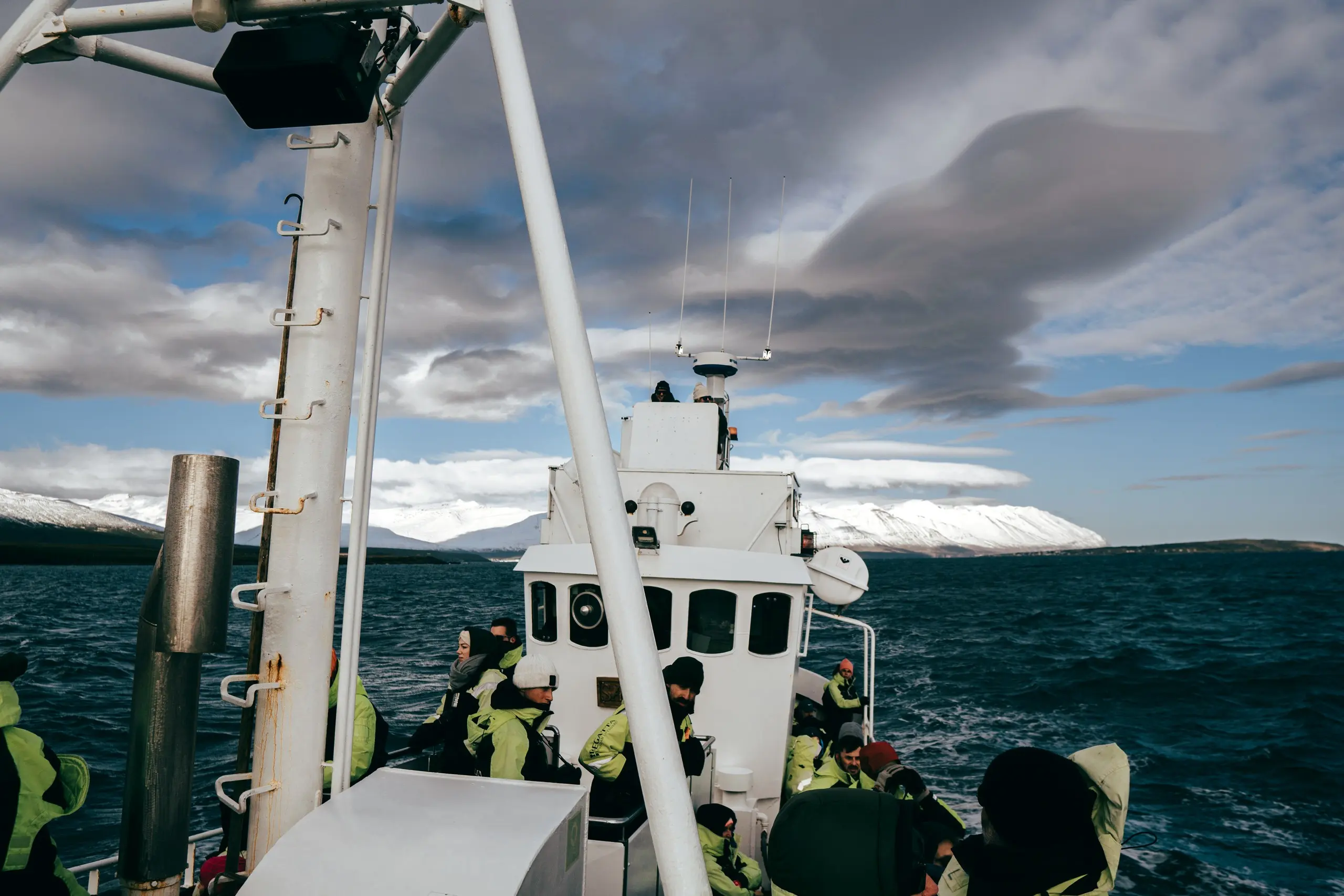
You do not visit Ny-Ålesund on an independent day trip. There are no public tours from Longyearbyen and the airstrip serves research and supply flights only. In practice visitors arrive on expedition cruise ships that call here as a shore stop during the open-water season, roughly June to September, with a guided walk under the station’s strict rules. Access is controlled to protect the science, so the cruise call is the realistic way in, and even then movement is limited to set areas with a guide.
What surprises people
People expect a remote outpost and find a tidy, well-run little village with a canteen, accommodation, and national research huts lined up along gravel streets. The rules surprise visitors most: phones and any wireless transmitters must be switched off, because the radio-quiet conditions are part of the scientific instruments’ value. Wildlife is close, with Arctic terns nesting aggressively along the paths in summer and reindeer wandering between buildings. And the history surprises people too, that this small place is where the first verified flight over the North Pole began, with the launch mast still in place.
Getting there
No roads, only water and snow
Nothing on Svalbard is connected by road. You reach the settlements from Longyearbyen two ways, depending on the season, and both are guided.