
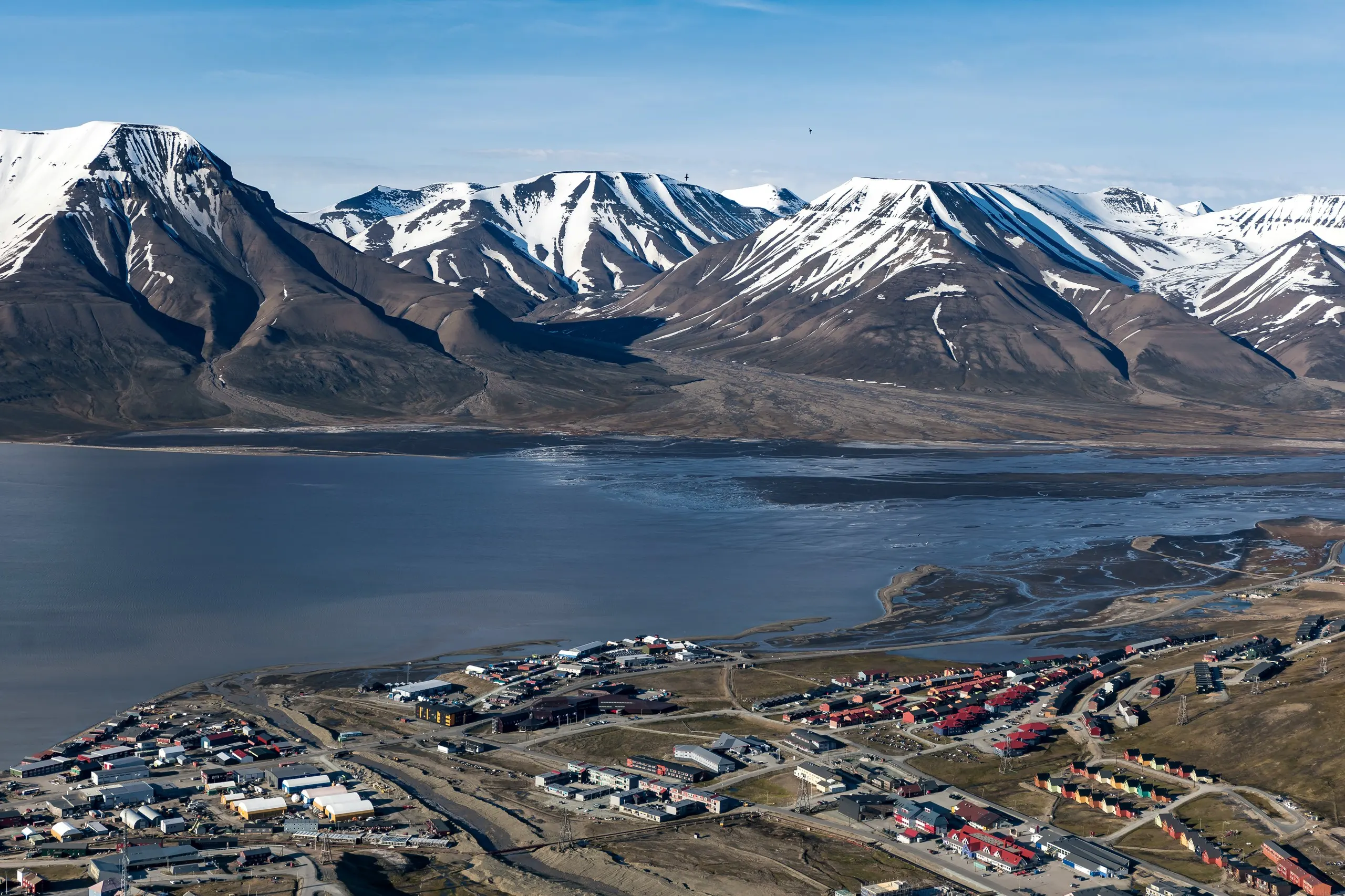
From mid-May to September the sun never sets over Svalbard. This is the midnight-sun season: open fjords, green-brown tundra, wildlife on land and water, and 24-hour daylight. Temperatures sit at a cool +2 to +7°C, and the activities flip entirely from snow to sea — boats, hiking, ATV, and expedition cruises. Summer trips start from €1,390.
The sun is technically above the horizon around the clock from 20 April to 22 August, but the travel season is defined by water, not just light: it begins when the fjords open enough for boats in mid-May and runs into September while cruises and hiking continue. There is no real night, which lets trips run at any hour.
What the light does
The sun circles the sky without setting, so there is no sunset, no dusk, and no aurora — it never gets dark enough. That sounds like a loss, but it buys you total flexibility: a boat can leave at 9pm in full light, a hike can run past midnight, and wildlife is active across the whole 24 hours. The flat, even daylight is gentle on the eyes and hard on sleep, so a mask helps. The trade is that anyone hoping for northern lights must come in the dark season instead.
What you can do
| Activity | Available | Sweet spot |
|---|---|---|
| Boat trips & walrus watching | May–Oct | Jun–Aug |
| Expedition cruises | May–Sep | Jun–Aug |
| Hiking | May–Sep | Jul–Aug |
| ATV / quad tours | Jun–Sep | Jul–Aug |
| Wildlife (reindeer, fox, seabirds) | May–Sep | Jun–Jul |
The summer signature is the boat. Open water means access to walrus haul-outs, glacier fronts, seabird cliffs, and abandoned settlements like Pyramiden. Multi-day expedition cruises push north along the pack-ice edge, where summer polar-bear sightings are possible but never promised. On land, hiking and ATV open up the snow-free tundra.
Wildlife timing shifts across the season. June and early July bring the loudest, most crowded seabird colonies and the most active tundra animals — reindeer, Arctic fox, and returning migratory birds. Walrus haul-outs are accessible by boat throughout. By late August the colonies quieten and the tundra begins to colour with autumn, a different but quieter version of the same wildlife season. Whichever month you pick, the constant daylight lets trips run at any hour, so itineraries can flex around weather and sea conditions rather than a fixed clock.
What to expect from weather
| Month | Avg temp °C | Light |
|---|---|---|
| Mid-late May | −3 to +3 | Midnight sun, fjords opening |
| June | +3 | 24-hour daylight |
| July | +7 | Warmest month, peak demand |
| August | +6 | Midnight sun ends ~22 Aug |
| September | +2 | Fast-darkening, season closing |
July is the warmest month at +7°C and the busiest, so book early. June and July are best for seabirds and active wildlife; August adds the first returning darkness at the very end of the month. September cools fast and the light drops quickly, marking the handover back toward winter.
Midnight sun suits travellers who want wildlife, boats, and hiking over snow, and who do not mind that aurora is off the table. If you want snow activities in daylight, see Light Winter; for aurora and the dark season, see Polar Night.
Quick answers
- When is the midnight sun in Svalbard?
- The sun never sets from 20 April to 22 August in Longyearbyen. Our midnight-sun travel season runs a little wider — mid-May to September — covering the months when the fjords are open and boats, hiking, and cruises operate.
- Can you see polar bears in summer in Svalbard?
- Possibly, but never guaranteed. Summer bears are mostly seen from expedition cruises along the pack-ice edge and remote coasts. Land-based day trips focus on walrus, reindeer, Arctic fox, and seabird colonies instead.
- Is it warm enough for hiking in Svalbard summer?
- Temperatures run +2 to +7°C, so it is cool, not warm. Hiking, ATV, and boat trips all run from June to September, but you dress for wind and damp rather than heat.
- What can you do in summer that you can't do in winter?
- Boat trips and walrus watching (May–Oct), ATV (Jun–Sep), hiking (May–Sep), and multi-day expedition cruises (May–Sep). Snowmobile, husky, and ice caves are winter-only.
- How do you sleep with 24-hour daylight?
- Bring an eye mask. Accommodation has blackout curtains, but the constant light shifts most people's sleep. Many travellers adjust within a day or two and use the endless light for late boat trips and hikes.
Updated 6 June 2026.